Sierra Nevada
General overview
Where altitude meets Andalusian soul
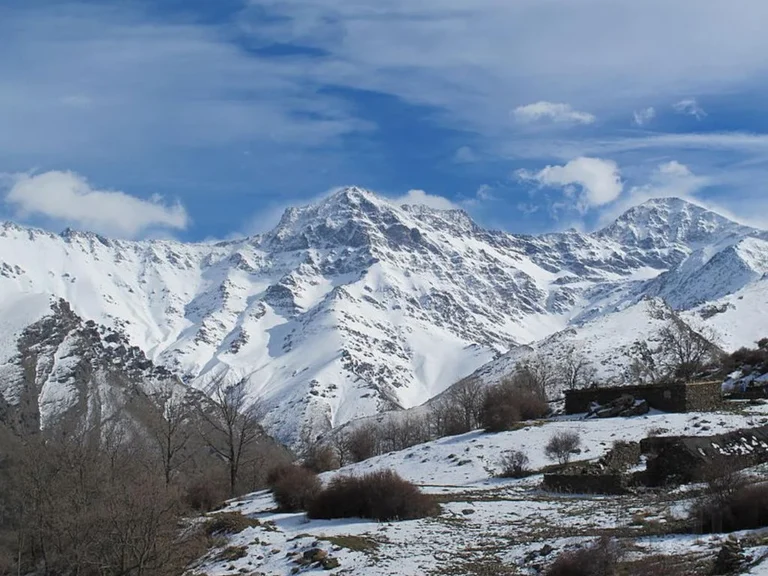
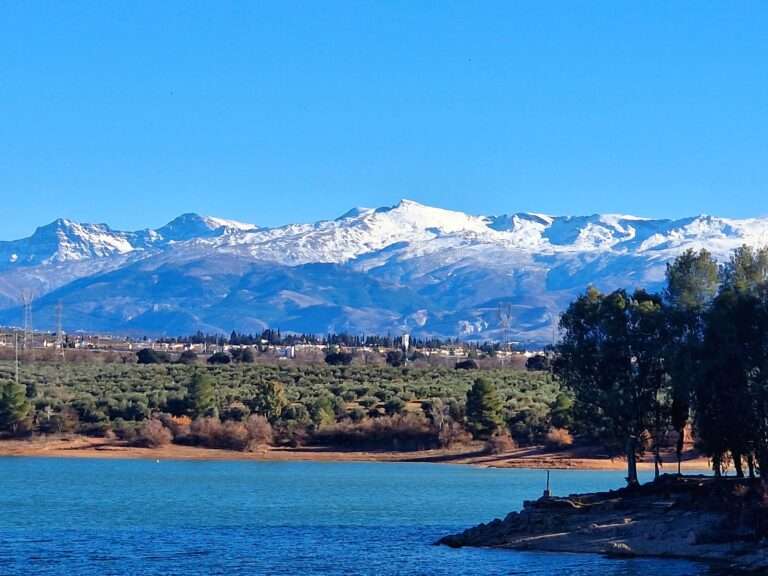
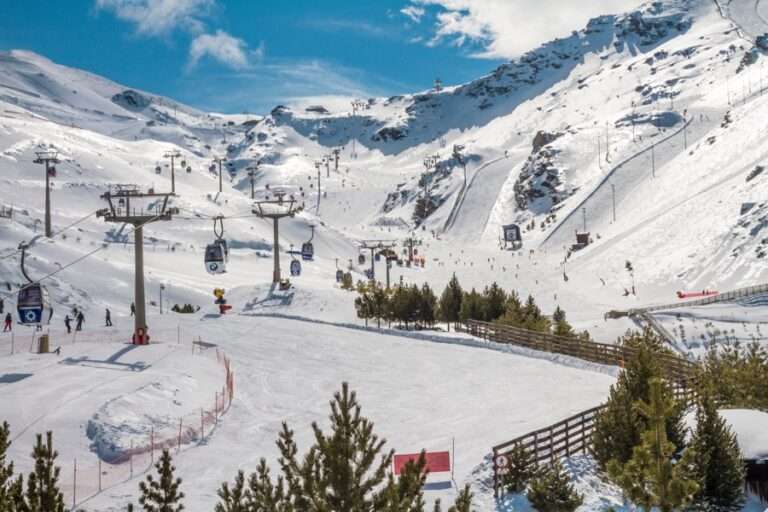
Rising dramatically above the plains of Granada, the Sierra Nevada is a world apart. This is mainland Spain’s highest mountain range and one of Southern Europe’s most surprising lifestyle locations — where snow-capped peaks, authentic villages and wide-open nature coexist with year-round accessibility.
At first glance, the Sierra Nevada is famous for its alpine scenery and ski resort. But look closer and you’ll find much more than winter sports. This region offers space, silence and a slower rhythm of life, combined with breathtaking views that stretch from rugged mountain ridges all the way to the Mediterranean on clear days.
A landscape of contrasts
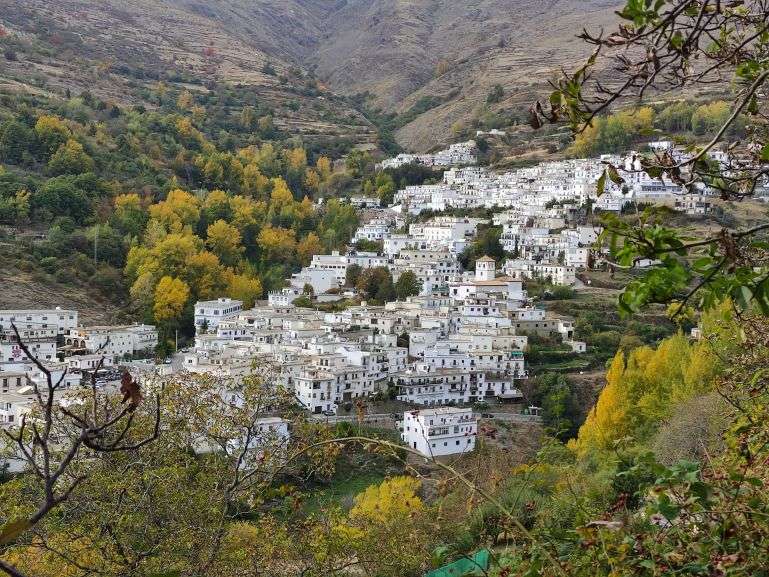
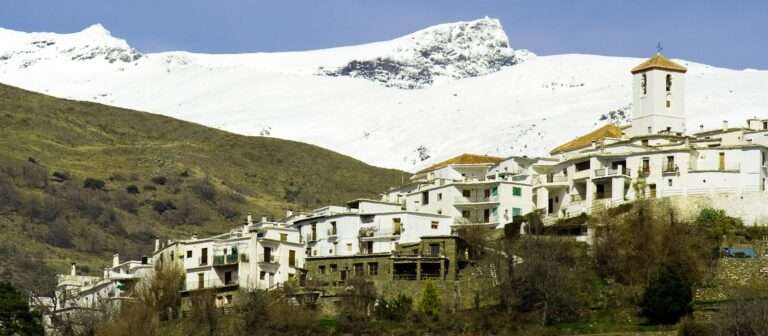
Here, sharp peaks and deep valleys shape daily life. Traditional white villages cling to hillsides, stone terraces tell stories of centuries-old farming, and pine forests give way to open high-mountain plains. In winter, snow transforms the upper slopes into a ski paradise; in summer, the same terrain becomes ideal for hiking, cycling and nature escapes.
Authentic villages & timeless living
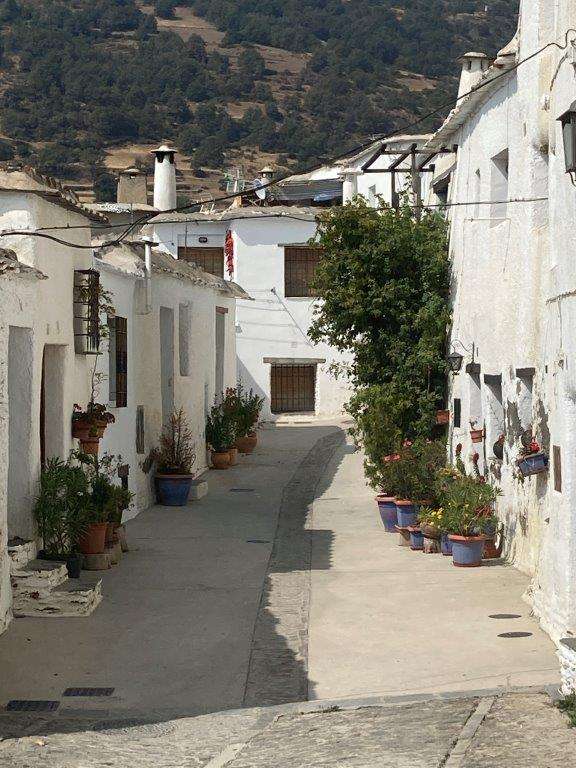
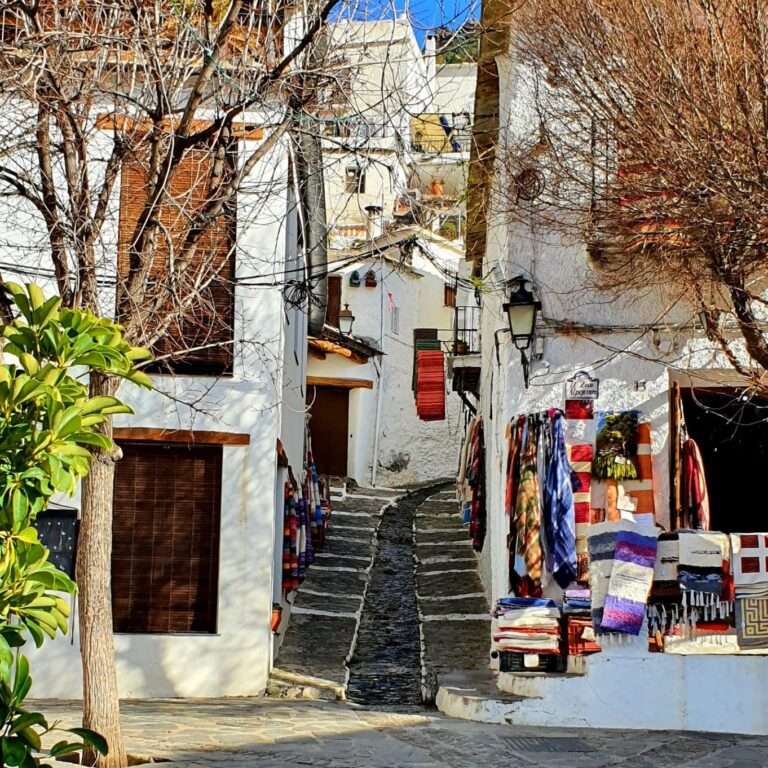
Just below the ski area lie the Alpujarra villages — places where time moves differently. Narrow streets, local markets, family-run restaurants and strong community ties define everyday life. Properties here often come with character: thick stone walls, wooden beams, terraces with endless views, and a sense of permanence that’s increasingly rare elsewhere.
Accessibility without isolation
Despite its wild appearance, the Sierra Nevada is remarkably connected. Granada city is within easy reach, offering culture, dining and services, while Málaga and its international airport remain comfortably accessible for international homeowners. This balance makes the area attractive not only for full-time living, but also for second homes, retreats and boutique rental concepts.
A lifestyle choice
Living in the Sierra Nevada is not about prestige or trends — it’s about perspective. Clean air, real seasons, space to think, and a strong connection to nature. Whether as a permanent residence, a mountain retreat, or a long-term investment in quality of life, this region appeals to buyers who value substance over spectacle.
Population & Lifestyle
Small communities, big quality of life
Life in the Sierra Nevada is shaped by its people — and by the conscious choice to live differently. Population density is low, villages are small, and communities are close-knit. This is not anonymous living; here, people still greet each other in the street, shops know their customers, and daily life has a human scale.
A diverse but grounded population
The permanent population consists mainly of local Andalusian families, many with deep roots in the region. Alongside them is a growing international community: creatives, remote professionals, nature lovers and early retirees from Northern Europe who value calm, space and authenticity over convenience-driven city life.
This mix creates a healthy balance — traditional without being closed, international without losing identity.
Daily life: slow, social and outdoors
Life moves at a slower pace here, by design. Days are structured around daylight, seasons and simple routines. Morning coffee in the village square, local shopping instead of big malls, long lunches, and evenings spent outdoors when weather allows. Noise is minimal. Nature is always present.
Outdoor living is not a hobby here — it’s part of everyday life. Walking, hiking, cycling and gardening replace gyms and traffic. Winters bring snow and fireplaces; summers bring altitude relief, cooler nights and star-filled skies.
Seasons define the rhythm
Unlike the coast, the Sierra Nevada lives by the seasons. Winter is quieter but cosy, with a strong sense of community. Spring and autumn are vibrant and active. Summer attracts temporary residents escaping the heat, adding energy without overwhelming the area.
This natural rhythm appeals strongly to people seeking balance rather than constant stimulation.
A lifestyle with intention
Choosing the Sierra Nevada is a deliberate lifestyle decision. It suits those who value privacy, authenticity and wellbeing. Digital connectivity makes remote work realistic, but the real luxury lies elsewhere: space, silence, and time.
It’s not for everyone — and that’s exactly the point.
History & Character
Layers of history, lived every day
The character of the Sierra Nevada is not curated — it is inherited. This is a region shaped by centuries of adaptation, resilience and cultural layering, where history is not locked in museums but built into streets, homes and landscapes.
Moorish roots in stone and water
Much of the area’s identity comes from its Moorish past. The villages of the Alpujarra were developed as self-sustaining mountain communities, designed for protection, water management and agriculture. Flat-roofed houses, narrow winding streets and interconnected terraces are not aesthetic choices — they are solutions refined over centuries.
Perhaps the most defining legacy is the acequia system: ancient irrigation channels that still distribute meltwater from the mountains to fields and villages below. Many of these systems remain in use today, a rare example of historical infrastructure still serving modern life.
Isolation that preserved authenticity
For generations, the Sierra Nevada’s relative isolation protected it from rapid modernisation. While cities and coastal areas evolved quickly, mountain villages changed slowly. This preserved architectural integrity, traditions and a strong sense of place that is increasingly difficult to replicate elsewhere.
Even today, development is tightly controlled. Large-scale construction is rare, and new builds must respect local character. As a result, the region feels coherent and honest — not themed or reconstructed.
A culture of self-reliance
Historically, life here required independence and cooperation. Farming, craftsmanship and trade were essential skills, and community bonds were strong. That mindset still lingers. People fix, restore and adapt rather than replace. Old homes are renovated with care, not erased.
This heritage attracts buyers who appreciate originality over perfection — homes with stories, imperfections and soul.
Quiet strength, not spectacle
The Sierra Nevada does not announce itself loudly. Its character is subtle, grounded and confident. There is no rush to impress, no pressure to conform. What you see is real — shaped by time, landscape and people who chose to stay.
That authenticity is its greatest asset — and its lasting appeal.
Things to do
Four seasons. Endless variety. No crowds by default.
Life in the Sierra Nevada is active without being hectic. The landscape itself dictates what you do — and when. This is a region where activities follow nature, not the other way around.
Winter: snow without compromise
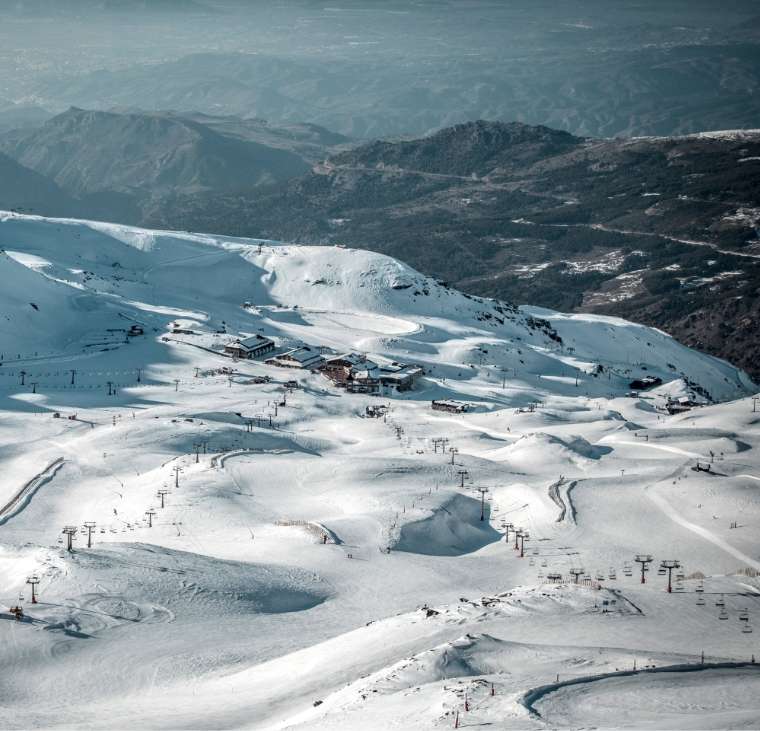
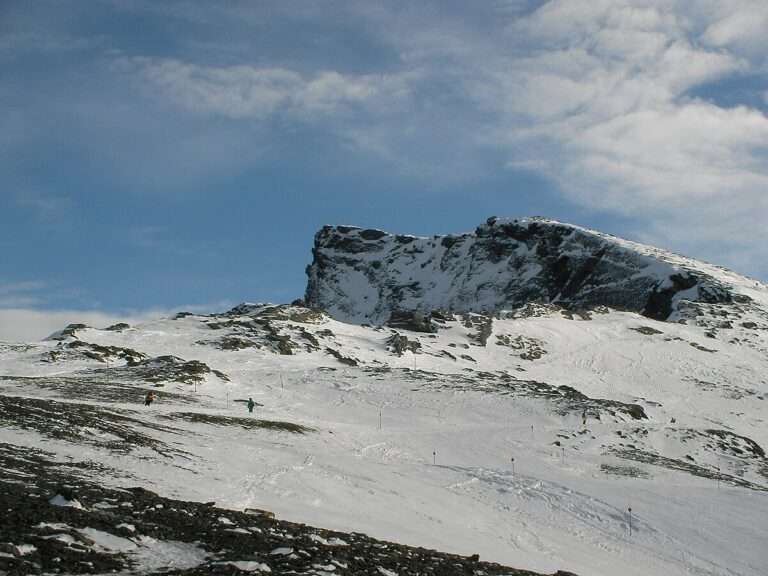
The Sierra Nevada is home to Southern Europe’s most accessible high-altitude winter sports area. Skiing and snowboarding dominate the colder months, with reliable conditions thanks to elevation. But winter here isn’t only about the slopes. Snowshoeing, cross-country routes and simple mountain walks offer quieter alternatives — often with dramatic views and far fewer people.
Even on non-ski days, winter living means fireplaces, clear skies and a strong sense of seasonal calm.
Spring & autumn: the sweet spot
These are the most loved seasons by locals. Temperatures are mild, the air is clear and nature is at its best. Hiking trails reconnect villages, valleys and high plains. Wildflowers cover the hillsides in spring; autumn brings golden tones and crisp mornings.
Cycling — both road and mountain — is outstanding during these months, with challenging climbs and rewarding descents. For those who prefer slower rhythms, walking routes, village-to-village lunches and nature photography fill the days easily.
Summer: altitude escape
While the coast heats up, the Sierra Nevada offers relief. Cooler nights, breezes and shaded trails make summer living comfortable, especially in higher villages. Days are long and social life moves outdoors — terraces, evening walks and open-air dining.
Many residents combine mountain living with occasional beach days, enjoying both worlds without relocating.
Nature, not entertainment
There are no theme parks here, no artificial attractions. Instead, the appeal lies in simplicity:
– Hiking straight from your front door
– Gardening, growing and restoring
– Stargazing under some of the clearest skies in Southern Spain
– Exploring small villages, local fiestas and seasonal markets
This is active living that restores rather than exhausts.
Space to slow down
The Sierra Nevada rewards curiosity and patience. It’s ideal for people who don’t need constant stimulation, but who value meaningful experiences, physical movement and connection to place.
You don’t “visit” this region — you live it.

Property Styles
Character homes shaped by landscape and history
Property in the Sierra Nevada is not about uniformity or volume. Homes here are shaped by terrain, climate and centuries of practical design. Each village — sometimes each street — feels slightly different, and that individuality is a major part of the appeal.
Traditional village houses
The most common property type is the traditional village house. Built from stone and local materials, these homes often feature thick walls, small windows, flat or gently sloped roofs and multiple levels adapted to steep hillsides. Interiors are full of character: wooden beams, fireplaces, tiled floors and compact but functional layouts.
Many houses include terraces with open mountain views — not as a luxury add-on, but as an essential part of daily living.
Restored homes with modern comfort
In recent years, careful restorations have become increasingly popular. These properties retain their original structure and charm while incorporating modern comforts such as underfloor heating, updated insulation, contemporary kitchens and improved energy efficiency.
Done well, these restorations respect the soul of the building while making it suitable for year-round living or high-quality rental use. Poorly done renovations stand out quickly — buyers here tend to value craftsmanship over shortcuts.
Cortijos and rural retreats
Outside the villages, you’ll find cortijos: traditional rural farmhouses set on larger plots of land. These offer privacy, space and uninterrupted views, often surrounded by olive trees, almond groves or open mountain terrain.
Cortijos appeal strongly to buyers seeking retreats, creative spaces or self-sufficient lifestyles. Access, water rights and renovation potential vary significantly, making local knowledge essential.
New builds — rare and regulated
New construction exists, but it is limited and tightly regulated. Designs must blend into the environment, and large developments are virtually non-existent. When new homes are built, they tend to be discreet, low-density and focused on integration rather than statement architecture.
This scarcity helps protect long-term value and preserves the overall character of the region.
Homes with substance
Property in the Sierra Nevada rewards buyers who appreciate originality and context. These are homes with stories, shaped by necessity rather than trends. They may not be flawless — but they are honest, enduring and deeply connected to their surroundings.
Property Prices
Real talk: accessible compared with many mountain destinations, but varied by location and property type
If you’re coming in with realistic expectations, the Sierra Nevada property market isn’t homogeneous — prices swing depending on altitude, views, proximity to ski lifts, renovations and local demand. Condos by the slopes are higher, traditional village homes can be more affordable, and rural cortijos vary widely.
What prices look like today
Average price per square metre: around €3,200–€3,250/m² in Sierra Nevada proper — a solid reference point for typical homes in villages and ski-area zones.
Typical sale values: average property values cluster near €235,000–€240,000 for an existing home, though this masks big differences by type and location.
Starter homes & studios: you can find small apartments and studios from roughly €75,000–€105,000 in the resort or village centres — often ideal investment or weekend retreats.
Larger or renovated homes: 2–3 bedroom properties regularly appear from €150,000–€330,000 and up depending on size, renovation level and exact zoning.
Premium or unique listings: some larger homes and special properties (whether by the slopes or with exceptional features) can push above €500,000 — even considerably higher for larger rural estates or luxury formats.
Variation by area
Pradollano & ski-area zones: proximity to lifts and ski access generally commands a price premium — practical for rentals or seasonal demand but expect rates above village averages.
Alpujarra foothills: classic mountain villages outside the ski resort tend to be more affordable, with many rustic homes and fixer-uppers well below city prices, though condition varies.
Cortijos & countryside: rural properties are a wild card — some land-rich estates can be excellent value, others demand significant investment to restore.
Trends and potential
The market in Sierra Nevada has been moving gradually upward in recent years as demand grows, especially from buyers seeking lifestyle homes and rental income opportunities linked to the ski season. It still remains more accessible than many Alpine ski resorts, offering a compelling balance of mountain living and realistic entry prices.
Bottom line: Sierra Nevada offers something for a range of buyers — from budget-conscious investors and pied-à-terre seekers to families and lifestyle buyers looking for room to breathe. Because the market isn’t monolithic, partnering with a local expert pays off when matching price expectations to your goals.
Distances
Mountain living without losing access
One of the Sierra Nevada’s strongest advantages is how close everything actually is. Despite the feeling of isolation and nature, key cities, beaches and international connections are all within comfortable reach.
Distance to the beach
Costa Tropical (Motril / Salobreña): approx. 75–90 km
1.5 hours by car
Perfect for day trips — mountain mornings, sea lunches, back home by sunset.
Costa del Sol (Málaga area): approx. 160–180 km
2.5–3 hours by car
Ideal for longer stays, second homes or combining mountain and coastal lifestyles.
Nearby cities
Granada: approx. 30–45 km
40–60 minutes
A major cultural and service hub with hospitals, universities, shopping, dining and the world-famous Alhambra. Many Sierra Nevada residents rely on Granada for weekly or monthly city needs.
Málaga: approx. 165 km
2.5–3 hours
Andalusia’s international city — art, gastronomy, business and coastal life within easy reach when needed.
Almería: approx. 190 km
3 hours
Less frequented, but relevant for eastern connections and coastal access.
Airports
Granada Airport (GRX): approx. 45–60 km
1 hour
Convenient for domestic flights and select European routes.
Málaga International Airport (AGP): approx. 170 km
2.5–3 hours
One of Spain’s busiest airports, offering extensive year-round connections across Europe and beyond. This is the primary gateway for international homeowners.
Everyday accessibility
Road access is good year-round, with well-maintained routes connecting villages, the ski resort and Granada. In winter, higher altitudes may require snow chains on certain days — a manageable trade-off for alpine living in Southern Spain.
The real advantage
You gain altitude, space and calm — without cutting yourself off. The Sierra Nevada works because it’s close enough to everything that matters, yet far enough to feel like a different world entirely.
Education
Living in the Sierra Nevada means living in nature — but families with children still have solid educational options nearby, especially once you’re willing to commute into Granada city or the surrounding towns. Full-time, quality schooling is not in the mountain villages themselves, but accessible within a manageable drive.
Local village & seasonal options
In the ski resort itself you’ll find snow-focused programmes for kids (like ski schools and play facilities during winter) — great for seasonal fun but not formal primary or secondary education.
Primary & Secondary Education Around Granada
International & bilingual schools (best options for expat families)
These are sensible choices if you want robust schooling, English-friendly classrooms, and an internationally recognised curriculum — all within daily reach from the Sierra Nevada region.
Top choices near Sierra Nevada / Granada:
Granada College — International school offering multilingual education across ages 0–18, including IB programmes and a strong focus on global readiness.
Granada International Montessori School — Montessori-style environment for ages ~3–12, nurturing independence and a love of learning in a bilingual setting.
International College of Granada — Bilingual school offering Spanish and international curricula with focus on broad academic and personal growth.
Bilingual School Granada — Language-focused school useful for supplementary English/Spanish learning and early language development.
These schools are all in Granada city or nearby towns, generally within 30–60 minutes by car from Sierra Nevada — a reasonable daily commute for families who prioritise education and mountain living.
Other regional education options
Bilingual and private schools in Granada offer immersion in Spanish and English from early years through primary and secondary stages.
International programmes such as Cambridge or American High School diplomas are available at some institutions, ideal for internationally mobile families.
There are also options on the Costa Tropical (e.g., British curriculum at Almuñécar International School) if you combine mountain and coastal living.
Important context for Sierra Nevada living
Local villages don’t have full primary/secondary schools — most families drive to Granada or neighbouring towns for formal education.
School buses and car commuting are typical for families with school-age children.
Granada’s educational mix gives you flexibility: from fully bilingual international schooling to Spanish state options, depending on what you want for your kids.
Extras worth knowing
Language support & immersion programs in Granada make learning Spanish easier for expat children.
Adult and teen Spanish language schools (e.g., immersion programs or courses) can help families integrate quicker into local life.
Nearby Restaurants
Good food after great days outdoors — from relaxed tapas to classic grill plates
In & Around the Resort
Here are popular local places right in Pradollano and Sierra Nevada village zones — ideal after skiing, hiking or a day exploring:
Top sit-down dining
Restaurante La Muralla – Classic mountain grill with excellent meats and a warm atmosphere. Great for dinner with friends or family.
Restaurante Vivac Sierra Nevada – Highly rated Mediterranean/European dining in the heart of town — perfect for a special dinner.
Restaurante La Antorcha – Well-liked for quality Mediterranean dishes and hearty portions.
La Visera – Scenic spot with views and a relaxed terrace vibe — good for lunch or sunset drinks.
Restaurante La Mar De Bueno Sierra Nevada – Stylish choice with quality dishes and mountain ambiance.
Casual & après-ski favourites
Shaka Restaurante APRÉS SKI – Great place for laid-back food, drinks and lively après-ski vibes.
Tito Tapas – Classic tapas bar where you can snack and share after a day on the slopes.
Mesit Sierra Nevada – Italian comfort food in a casual setting.
Cantina El Calambrito ⚡️Sierra Nevada – Mexican-style eats if you want something different.
Snow Bar Center – Chill all-day spot for snacks, coffee and light bites.
Bar Restaurante Como en casa and El Club De La Montaña – Local favourites for comfort food and casual meals.
AJIERRO 🔪 SIERRA NEVADA and KL Smash Burger – Great options for Asian-inspired or gourmet burgers.
A Short Drive for More Variety
If you’re planning to explore beyond the resort, the villages and towns around Sierra Nevada and Granada city offer even richer options — from traditional Andalusian restaurants to gourmet experiences and tapas bars. These are perfect for days you combine mountain life with a bit of culture and city dining.