
Malaga
General overview
General Overview — Málaga
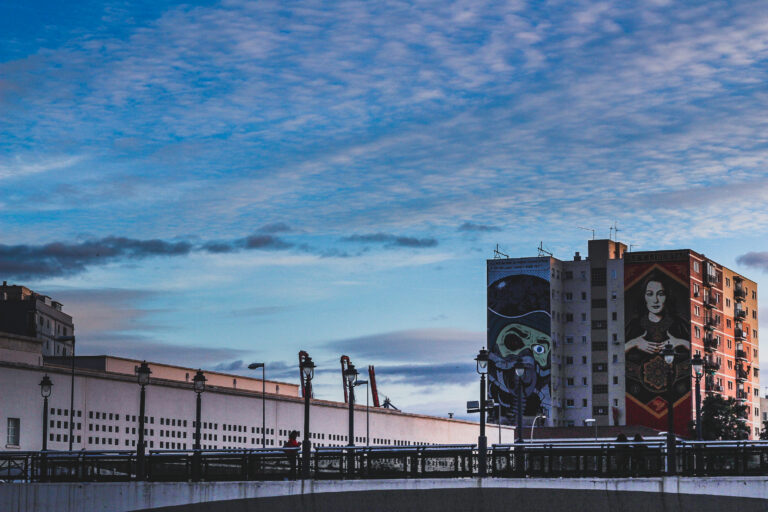
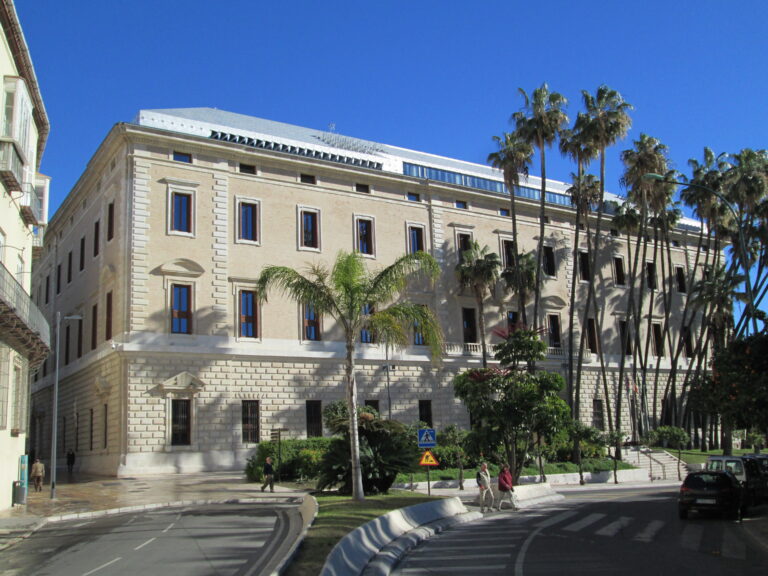
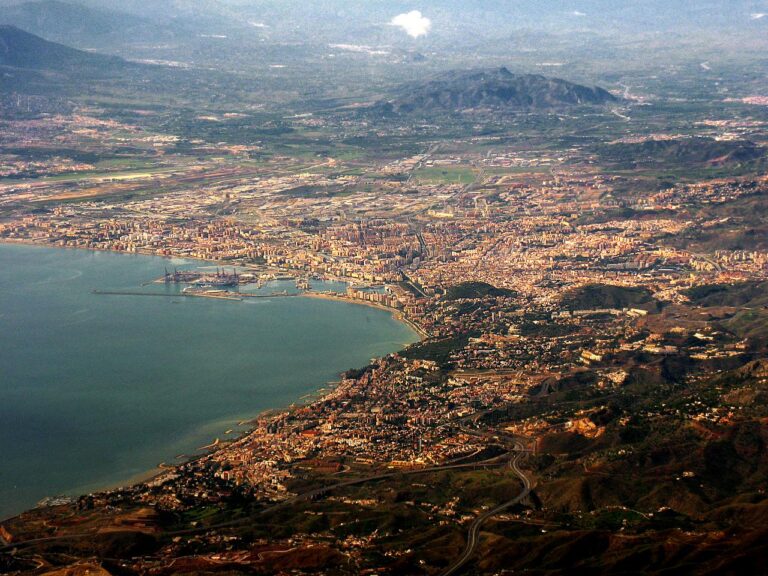
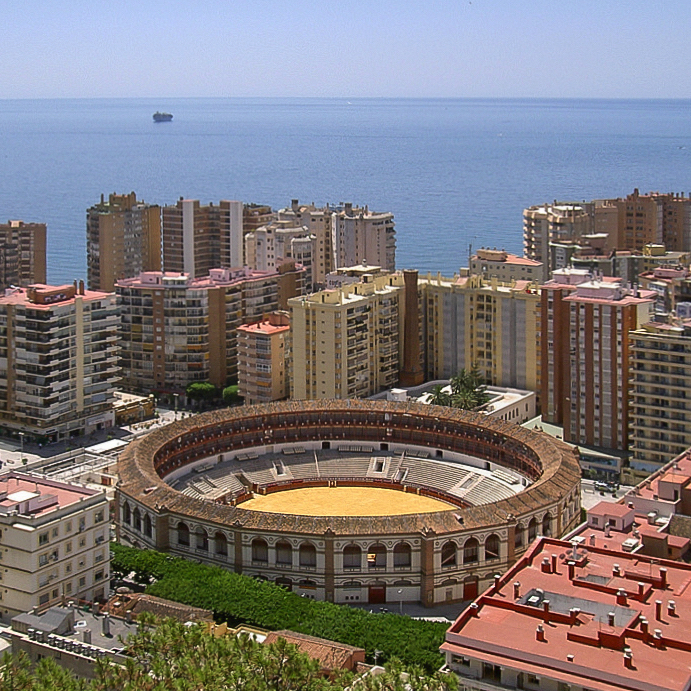
Málaga is the cultural, economic and lifestyle capital of the Costa del Sol. More than just a coastal city, it has transformed over the past two decades into one of southern Europe’s most dynamic urban centres — combining history, modern infrastructure and Mediterranean living.
It is a city where tradition and innovation exist side by side.
A City with Momentum
Málaga is one of Spain’s fastest-growing cities, driven by investment in technology, culture, education and urban development.
The city has evolved far beyond its former image as a gateway airport. Today, it stands as a modern Mediterranean metropolis with international appeal and strong long-term potential.
Mediterranean Urban Lifestyle
Life in Málaga blends city energy with coastal ease.
Residents enjoy:
-
Urban living with beaches inside the city
-
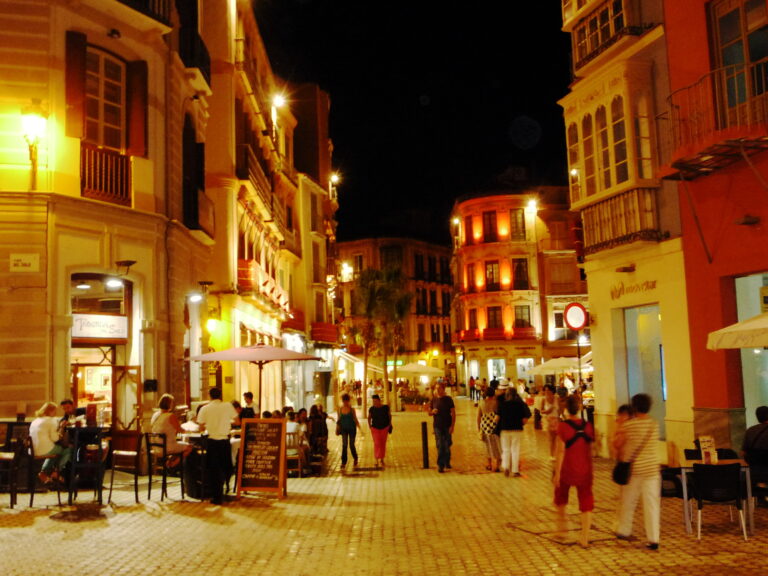
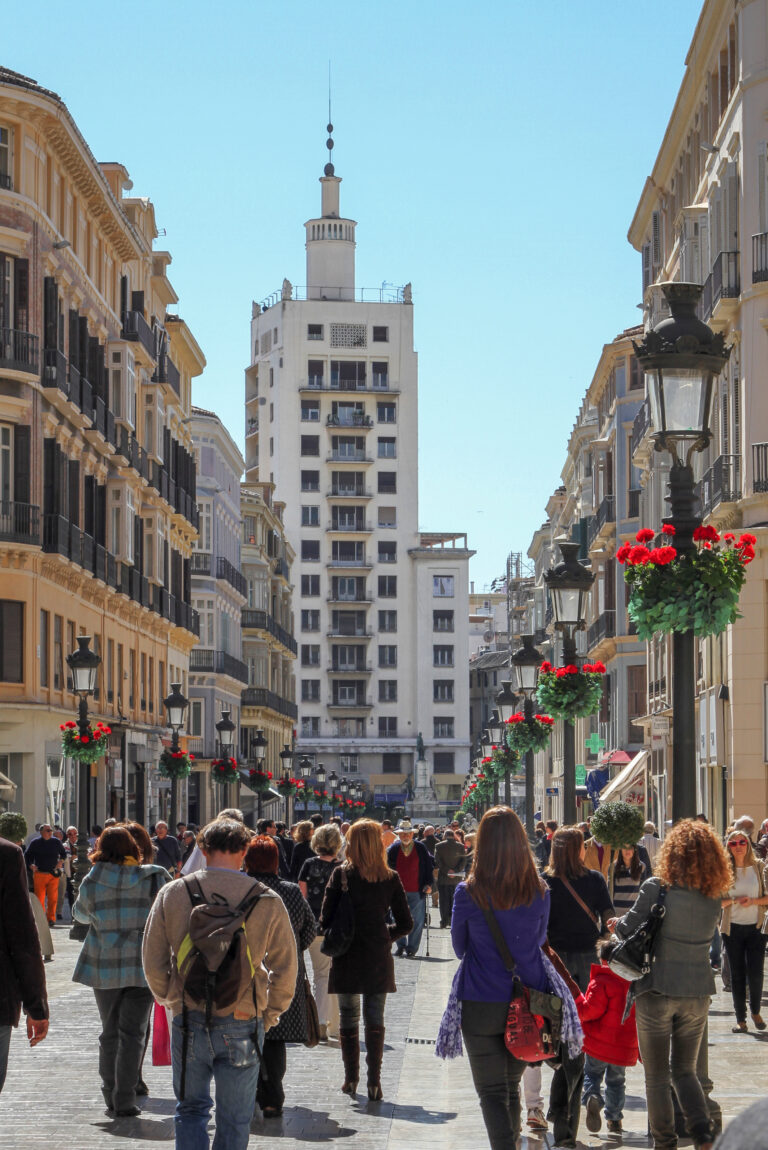
A walkable historic centre
-
Cultural venues, museums and events year-round
-
Restaurants, rooftop bars and waterfront promenades
The lifestyle is active, social and distinctly Mediterranean.
A Strong Economic Hub
Málaga plays a leading role in southern Spain’s economy.
Key sectors include:
-
Technology and innovation (Málaga TechPark)
-
Tourism and hospitality
-
International business and services
-
Education and research
This economic diversity has strengthened the city’s residential market and long-term demand.
Cultural Capital of the South
The city is internationally recognised for its cultural offering.
Málaga is home to:
-
The Picasso Museum and birthplace
-
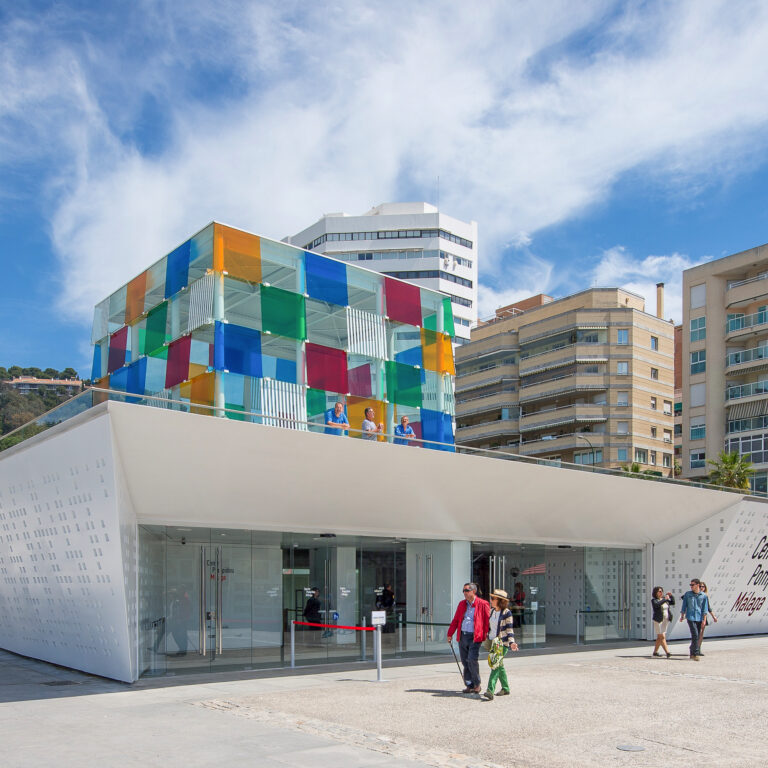
Centre Pompidou Málaga
-
Carmen Thyssen Museum
-
A vibrant theatre, music and festival scene
Culture is embedded in everyday city life.
Infrastructure & Connectivity
Málaga offers exceptional infrastructure for both residents and international buyers.
-
One of Spain’s best-connected international airports
-
High-speed AVE rail connections to Madrid and major cities
-
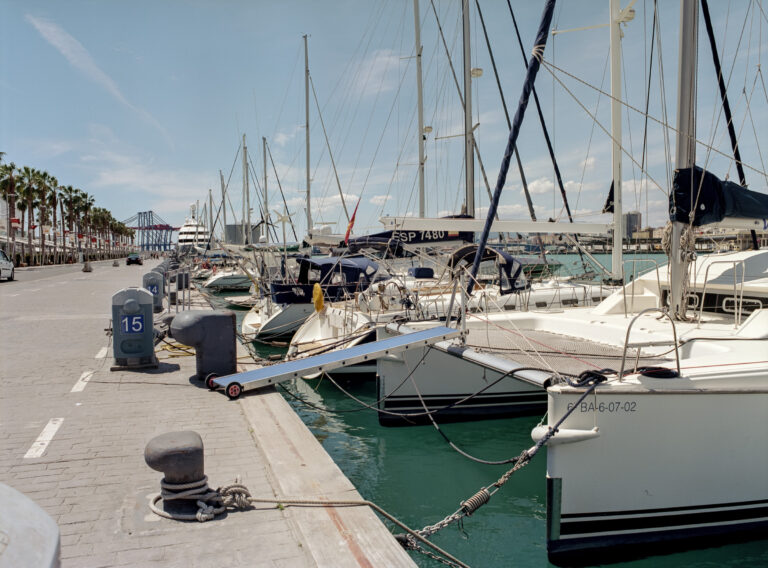
Port with cruise and marina facilities
-
Modern road network linking the entire Costa del Sol
This connectivity is a major reason for the city’s growth.
Residential Diversity
Málaga offers a wide variety of neighbourhoods, from historic city districts to beachfront areas and modern residential developments.
Buyers can choose between:
-
Urban apartments
-
Seafront properties
-
Emerging investment areas
-
Established residential neighbourhoods
This diversity makes the city suitable for many lifestyles.
A City for Living — Not Just Visiting
Unlike resort destinations, Málaga is a full-scale living city.
Schools, universities, hospitals, sports facilities and business districts support year-round life for families, professionals and international residents.
International Yet Authentic
Málaga has become increasingly international while maintaining a strong Andalusian identity.
Local traditions, cuisine and community life remain deeply rooted — giving the city character beyond its growth.
The Bigger Picture
Málaga represents the future of the Costa del Sol: urban, international, cultural and connected.
For buyers seeking long-term value, lifestyle and opportunity, Málaga stands as one of the strongest and most complete real estate markets in southern Spain.
Population & Lifestyle
Population & Lifestyle — Málaga
Málaga is home to more than 580,000 residents, making it the sixth-largest city in Spain. Its population is young, active and increasingly international — a reflection of the city’s transformation into a modern Mediterranean hub.
Unlike resort towns along the coast, Málaga functions as a full-scale living city, with neighbourhoods shaped around work, family life and culture rather than tourism cycles.
A Diverse Urban Population
Málaga’s population is made up of:
-
Local Andalusian families
-
Spanish professionals relocating from other regions
-
International residents from across Europe
-
Students and academic communities
This diversity creates energy without fragmentation. Different communities integrate naturally through shared urban life.
A City That Lives Year-Round
Life in Málaga never switches off.
Schools, universities, offices, shops and cultural venues operate continuously throughout the year, giving the city rhythm and stability.
There is no low season — only different moods throughout the year.
Lifestyle with Balance
What defines life in Málaga is balance.
Residents enjoy:
-
Urban living with beaches inside the city
-
Culture within walking distance
-
Outdoor cafés and terraces year-round
-
Parks, promenades and waterfront spaces
The city allows for both intensity and relaxation — depending on the neighbourhood.
Neighbourhood-Based Living
Lifestyle in Málaga varies by district.
-
Historic Centre: vibrant, social, cultural
-
Soho: creative and artistic
-
Malagueta & Limonar: seaside residential living
-
Teatinos: modern, family-oriented, university district
-
East Málaga (Pedregalejo, El Palo): traditional coastal neighbourhoods
This variety allows residents to choose their pace of life without leaving the city.
Outdoor & Social Culture
Málaga’s lifestyle is strongly social and outdoors.
Daily life often includes:
-
Morning coffee on terraces
-
Evening walks along the paseo marítimo
-
Beach meals and casual dining
-
Open-air events and festivals
The climate supports movement and interaction throughout the year.
A Strong Work–Life Environment
With growth in technology, education and remote work, Málaga has become particularly attractive to professionals seeking quality of life without sacrificing career opportunities.
The city offers:
-
Co-working spaces
-
Start-up ecosystems
-
International business environments
-
Strong digital infrastructure
This has reshaped the city’s demographic profile.
Family Life in Málaga
Families benefit from:
-
Public and private schools
-
Universities and higher education
-
Parks and sports facilities
-
Large hospitals and healthcare centres
Children grow up in a structured yet relaxed environment.
The Pace of Life
Málaga is energetic but not overwhelming.
It offers city life without the pressure of Madrid or Barcelona — maintaining warmth, accessibility and human scale.
In Summary
Life in Málaga is urban, Mediterranean and forward-looking.
It combines culture, work, leisure and climate in a way few European cities can match — making it increasingly popular for long-term residents, families and international buyers alike.
History & Character
History & Character — Málaga
Málaga is one of the oldest continuously inhabited cities in Europe. With more than 2,800 years of history, its character has been shaped by civilizations that each left a lasting mark — creating a city layered with identity, resilience and cultural richness.
This long evolution defines Málaga’s soul today.
Phoenician Origins
Founded around 770 BC by the Phoenicians, Málaga began as a strategic trading port known as Malaka. Its natural harbour and coastal position made it an early commercial centre in the Mediterranean.
The city’s relationship with the sea has been fundamental ever since.
Roman Málaga
Under Roman rule, Málaga developed into an important provincial city.
Remains such as the Roman Theatre, located at the foot of the Alcazaba, still stand today — a visible reminder of the city’s early urban structure and cultural life.
Trade, industry and maritime activity flourished during this period.
Moorish Influence
The Moorish era left the most distinctive architectural and cultural imprint.
During Al-Andalus, Málaga became a fortified coastal stronghold, crowned by:
-
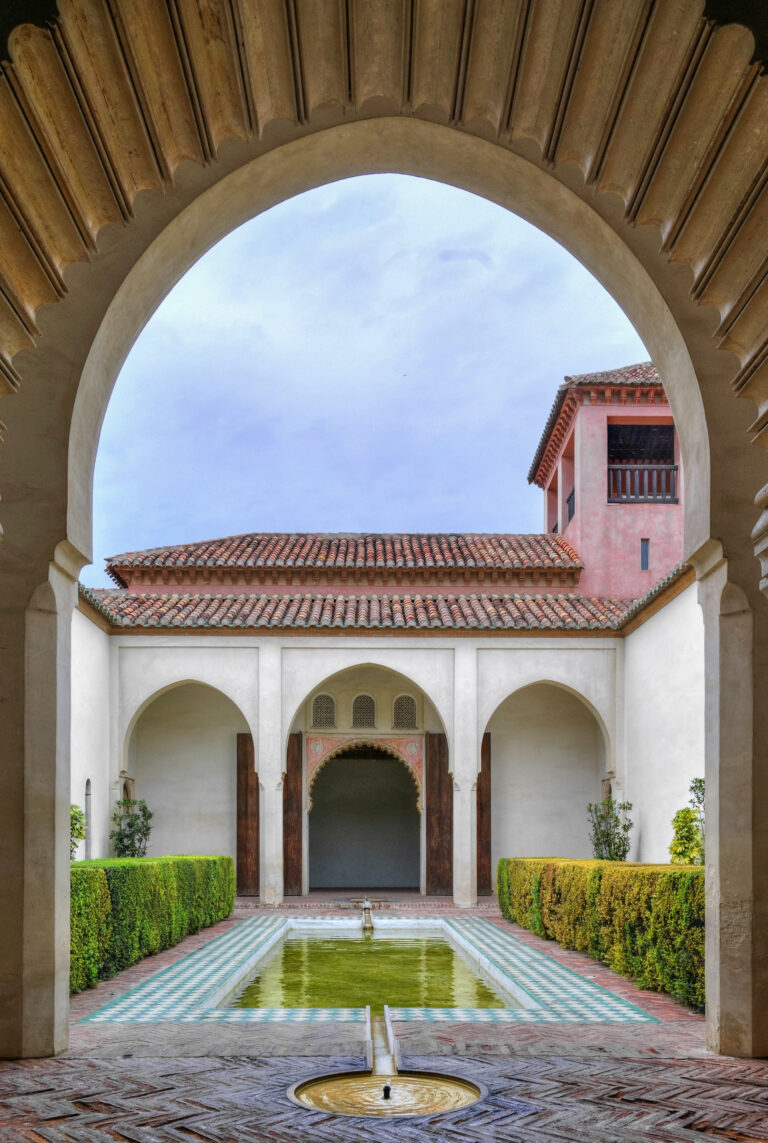
The Alcazaba, one of Spain’s best-preserved Moorish fortresses
-
Gibralfaro Castle, providing defence and strategic control
Narrow streets, elevated viewpoints and urban layouts still reflect this period.
Christian Reconquest and Transformation
In 1487, Málaga was incorporated into the Crown of Castile.
The city underwent major transformation, with churches, convents and plazas reshaping the urban landscape — especially within the historic centre.
Despite upheaval, Málaga retained its role as an active port and trading city.
Industrial Growth
During the 19th century, Málaga became one of Spain’s leading industrial cities, particularly in steel, textiles and trade.
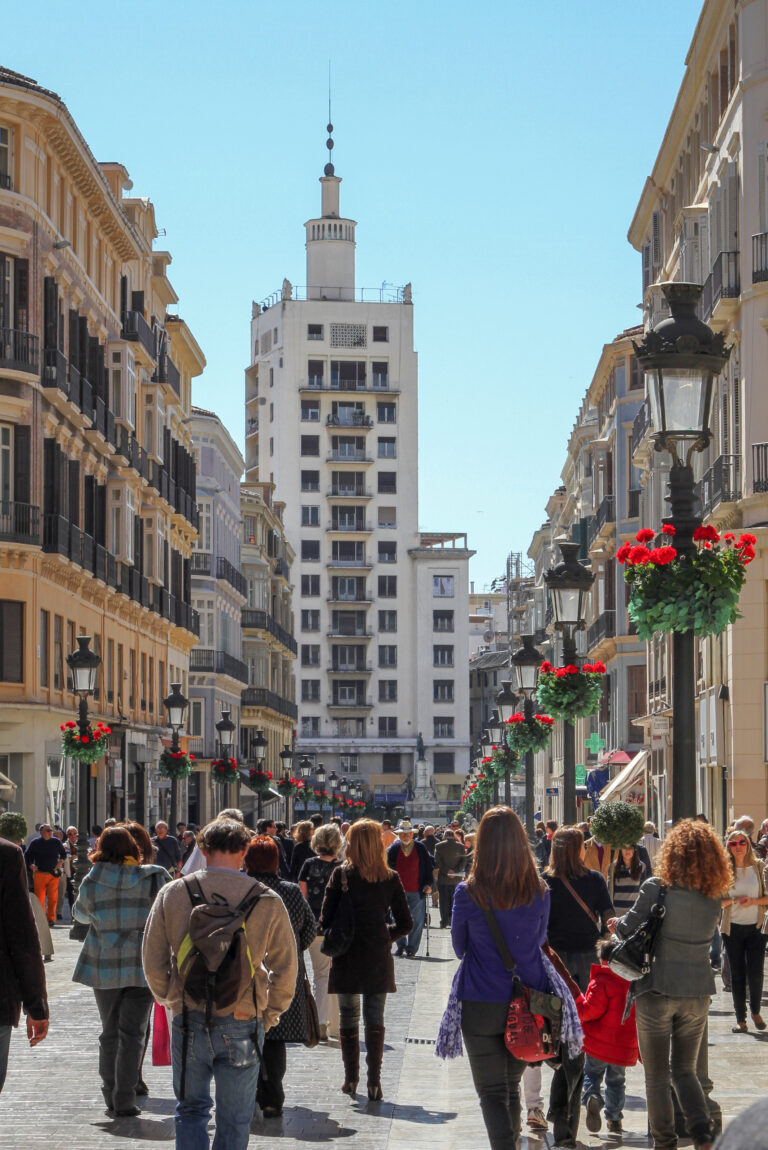
This era produced grand buildings, wide avenues and bourgeois architecture still visible today — especially around Alameda Principal and Paseo del Parque.
The Modern Era
Following periods of economic decline in the 20th century, Málaga reinvented itself.
Urban regeneration, cultural investment and infrastructure development transformed the city into a modern European hub — without erasing its past.
The revitalisation of the historic centre marked a turning point in Málaga’s identity.
Character Today
Today, Málaga is defined by contrast and harmony:
-
Ancient monuments beside contemporary architecture
-
Traditional neighbourhoods alongside creative districts
-
Andalusian warmth blended with international influence
It is authentic without being frozen in time.
A City of Identity
Málaga’s character is not theatrical — it is lived.
Daily life unfolds in plazas, markets, beaches and neighbourhood cafés. Tradition remains present through festivals, cuisine and community, not as display but as routine.
The Deeper Personality
What truly defines Málaga is its adaptability.
It has absorbed every era without losing itself — evolving naturally while preserving continuity.
That balance between history and modern life is what gives Málaga its distinctive, confident character.
In Summary
Málaga is not a city that reinvents itself every decade — it grows from its foundations.
Its history gives it depth.
Its people give it warmth.
Its future gives it momentum.
Things to do
Things to Do — Málaga
Málaga is much more than a coastal city — it’s a place where daily life blends culture, history, outdoor living and social energy into one immersive Mediterranean experience. From iconic landmarks and museums to beaches, markets and vibrant neighbourhoods, there’s always something to do — whether you’ve lived there for years or just moved in.
Historic & Cultural Highlights
Alcazaba & Gibralfaro Castle – Explore Málaga’s Moorish fortress and hilltop castle with panoramic views over the city and sea, and walk through gardens and ancient walls.
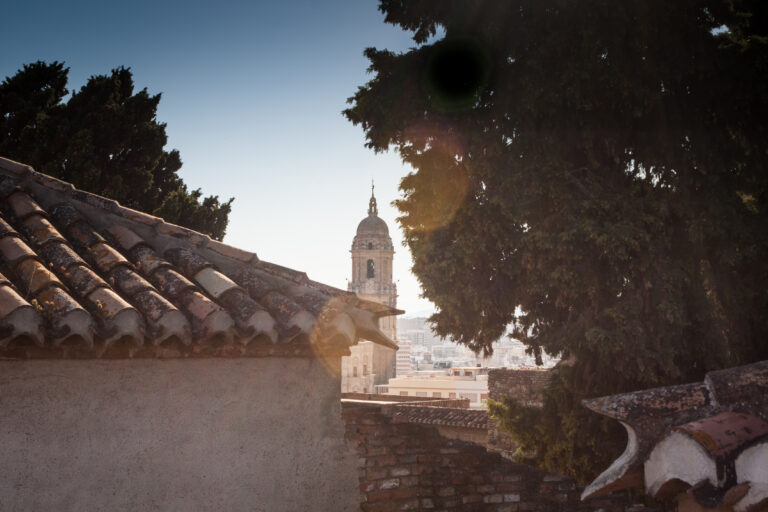
Málaga Cathedral – Known as La Manquita (“the one-armed lady”), this Renaissance and Baroque cathedral dominates the historic centre and offers rooftop views.
Roman Theatre & Archaeological Sites – At the base of the Alcazaba you’ll find ruins and restored remnants that bring the city’s ancient history to life.
Picasso Museum & Art Scene – As Picasso’s birthplace, Málaga boasts several art institutions, including a major Picasso Museum and contributions from leading global collections.
Museums & Creative Spaces
Málaga has over 30 museums, covering modern art, archaeology, history, design and more — including notable exhibitions at the Pompidou Málaga and Russian Museum branches.
Beaches & Waterfront Life
The city’s grey-sand beaches — such as La Malagueta, El Palo and Pedregalejo — are easy to reach from the centre and part of daily life year-round. Swimming, walking the paseo marítimo, and seaside cafés are all popular.
Markets & Food Culture
Mercado de Atarazanas is vibrant with fresh produce, local foods and community energy — a favourite for residents who cook at home or enjoy casual tastings.
Parks, Boulevards & Outdoor Activity
Walking through palm-lined boulevards and city parks is part of everyday life in Málaga. Residents enjoy outdoor spaces for exercise, cycling and socialising thanks to the mild Mediterranean climate.
Festivals & Events
Málaga hosts cultural, music and seasonal events throughout the year — from flamenco nights and concerts to art festivals and local celebrations that draw both residents and visitors.
Easy Day Trips & Surroundings
The city’s location makes it a base for exploring the wider Costa del Sol and Andalucía:
-
Trips to historic towns like Ronda or Nerja
-
Nature areas such as Caminito del Rey or nearby mountain parks
-
Day visits to other coastal destinations and inland heritage sites
Daily Life & Leisure
Many of the city’s best experiences are woven into everyday rhythms — seaside walking, terrace dining, museum visits after work or weekend brunches in historic squares. At any time of year there’s a mix of culture, food and open-air living to enjoy.
In summary: Málaga offers a rich mix of culture, history, coastal living and everyday activity. Whether it’s historic sights, museums, beaches or markets, the city supports an active, varied lifestyle — and that’s a big reason why so many people choose to live here.
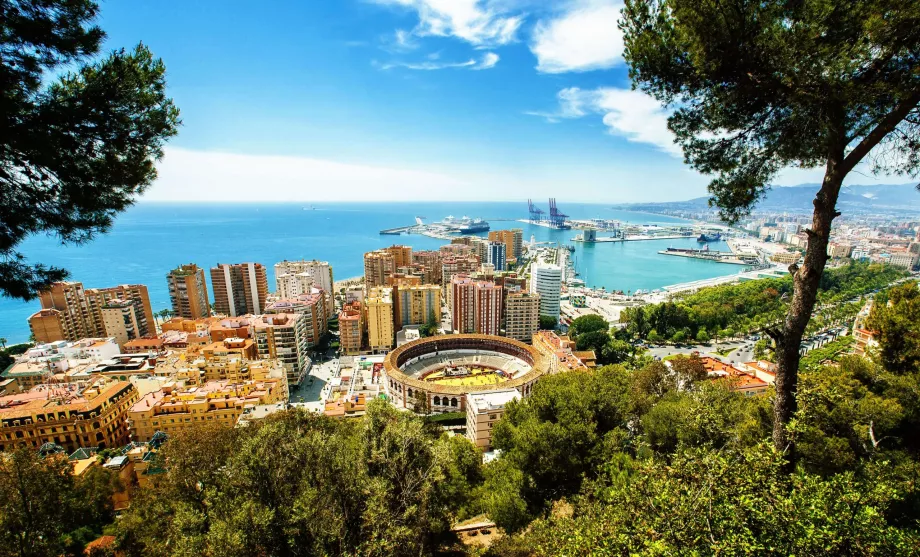
Property Styles
Property Styles — Málaga
Property in Málaga reflects its evolution from historic port city to modern Mediterranean capital. The housing stock is diverse, shaped by different development periods and neighbourhood identities — offering options for urban living, coastal life and long-term residential ownership.
Rather than one dominant style, Málaga offers layered property typologies.
Historic Apartments
In the historic centre and surrounding districts, traditional apartments are common.
Typical features include:
-
High ceilings
-
Large windows and balconies
-
Period façades
-
Renovated interiors within historic buildings
These properties appeal to buyers seeking character, central living and strong rental demand.
Modern City Apartments
Across districts such as Soho, Teatinos and Martiricos, newer apartment developments dominate.
Common characteristics:
-
Contemporary layouts
-
Underground parking
-
Communal areas and gyms
-
Energy-efficient construction
These homes suit professionals, families and long-term residents.
Seafront Apartments
Along areas such as La Malagueta, Huelin, Pedregalejo and El Palo, coastal apartments offer direct beach access and Mediterranean views.
They typically feature:
-
Terraces or balconies
-
Walking distance to the sea
-
High demand for resale and rental
Seafront supply is limited, supporting long-term value.
Townhouses & Residential Homes
Townhouses and low-rise homes are mainly found in residential neighbourhoods and eastern Málaga.
They often include:
-
Multi-level layouts
-
Private terraces or patios
-
Quiet residential streets
These properties are popular with families seeking space within the city.
Villas & Detached Properties
Detached villas are relatively rare and concentrated in:
-
El Limonar
-
Pinares de San Antón
-
Cerrado de Calderón
-
Eastern hillside neighbourhoods
These homes offer privacy, sea views and larger plots — often at premium price levels.
New-Build Developments
Málaga continues to expand through modern residential projects, especially in regeneration zones and new districts.
These typically include:
-
Contemporary design
-
Smart-home features
-
Communal pools and gardens
-
Sustainable construction standards
New-build supply remains in high demand.
Investment-Oriented Properties
The city also offers strong investment property options, including:
-
Urban apartments with high rental demand
-
Student housing near universities
-
Long-term rental units for professionals
Demand is driven by employment, education and international relocation.
Overall Property Character
Property in Málaga can be described as:
-
Urban and diverse
-
Strong in long-term demand
-
Limited in central supply
-
Supported by economic growth
Homes are chosen for location, lifestyle and connectivity rather than land size.
In Summary
Málaga offers a complete urban property market — from historic charm to modern efficiency, from beachfront apartments to hillside villas.
This diversity, combined with strong fundamentals, makes Málaga one of the most resilient and attractive real estate markets in southern Spain.
Property Prices
Property Prices — Málaga
Málaga’s property market has been rising steadily and is now among the strongest in Andalusia. As the city evolves into a major Mediterranean hub for culture, business and year-round living, demand continues to push prices upward — but with clear differences between neighbourhoods and property types.
Average Price Levels (2025–2026)
In late 2025 and early 2026, average asking prices in Málaga city generally sit around:
-
€3,000 – €3,800 /m² for the overall residential market, depending on source and methodology.
-
Some reports show averages closer to €3,620 /m² in late 2025, a new high in the city’s market.
Prices vary significantly by area, property condition and proximity to key amenities such as the historic centre, beaches or major transport links.
Numerical Price Range Indicators
Typical price bands you’ll see in listings and market reports:
-
Entry-level apartments: from around €2,700 – €3,000 /m² in more peripheral districts at times of sale.
-
Average city apartments: commonly €3,000 – €3,800 /m² across a broad range of neighbourhoods.
-
Prime central and seafront zones: values in the historic centre and exclusive coastal districts can be noticeably higher — often exceeding €4,000 /m².
What Buyers Can Expect for Typical Properties
While precise figures depend on size, layout and condition, a rough sense of ranges is:
-
Smaller city apartments: often €200,000 – €400,000+ depending on location
-
Standard 2–3-bedroom city homes: frequently €350,000 – €700,000+
-
Prime or larger properties: €800,000 and above in historic centre or coastal neighbourhoods
This spread reflects both everyday residential stock and desirable central or seafront locations.
Market Trend & Context
Málaga’s property prices have shown strong upward momentum in recent years. Property values in the city increased by double-digit rates over the past year, making Málaga one of the more dynamic markets in southern Spain.
The broader provincial market has also shown robust growth, with the province often becoming the most expensive in Andalucía overall.
Why This Matters for Buyers
Málaga is not a low-cost market — but it offers strong long-term demand and liquidity due to:
-
A blend of urban services and coastal lifestyle
-
Year-round resident demand
-
Student and professional rental appeal
-
Growing international interest
Prices here tend to rise steadily rather than fluctuate dramatically. Buyers typically see Málaga as a medium- to long-term market rather than a short-term flip zone.
Summary
| Property Type | Typical Price Range (€/m²) |
|---|---|
| Entry-level apartments | ~€2,700 – €3,000 |
| Average city apartments | ~€3,000 – €3,800 |
| Prime centre / seafront | €4,000 + |
In short: Málaga’s property market is strong, growing and diverse — offering a range of price points but generally above provincial and national averages. It continues to appeal to lifestyle buyers, investors and long-term residents alike.
Distances
Distances & Connectivity — Málaga
Málaga is one of the best-connected cities in southern Europe. Its international airport, high-speed rail links and modern road network make both national and international travel simple and efficient.
This connectivity plays a major role in the city’s growth and long-term appeal.
Key Distances
-
Málaga International Airport (AGP) – approx. 10–20 minutes, depending on district
-
Historic City Centre → Airport – approx. 15 minutes
-
Málaga → Marbella – approx. 45–50 minutes
-
Málaga → Fuengirola – approx. 30 minutes
-
Málaga → Benalmádena – approx. 25 minutes
-
Málaga → Nerja – approx. 50–55 minutes
High-Speed Rail (AVE)
Málaga is directly connected by AVE high-speed train, offering fast travel across Spain:
-
Madrid – approx. 2 hours 45 minutes
-
Córdoba – approx. 50 minutes
-
Seville – approx. 2 hours
-
Barcelona – approx. 5.5 hours
This makes Málaga one of the most accessible cities in Andalusia.
International Air Connections
Málaga Airport is the third-busiest airport in Spain, offering:
-
Direct flights to most major European cities
-
Year-round connections to Northern and Central Europe
-
Extensive low-cost and premium airline routes
This supports both permanent living and international ownership.
Road Infrastructure
Málaga sits at the centre of the Costa del Sol road network:
-
A-7 coastal road running east–west
-
AP-7 toll motorway for faster travel
-
Direct access to inland Andalusia
Commuting within the metropolitan area is efficient.
Public Transport Within the City
Málaga offers strong internal mobility:
-
Metro system connecting major districts
-
Extensive city bus network
-
Suburban train lines (Cercanías)
-
Bike lanes and pedestrian zones
This makes daily life manageable even without a car.
Port & Marina Access
-
Málaga Port offers ferry connections and cruise routes
-
Marinas support recreational boating
-
Waterfront access is integrated into city life
Why Connectivity Matters
Málaga’s accessibility is one of its strongest strategic advantages.
Residents can:
-
Travel internationally with ease
-
Commute efficiently
-
Access the entire Costa del Sol quickly
-
Live centrally without isolation
This level of connectivity supports both lifestyle and investment value.
In Summary
-
Airport within minutes
-
High-speed rail to major Spanish cities
-
Excellent coastal and inland road access
-
Strong urban public transport
Málaga is not only a destination — it is a well-connected European city.
Education
Education — Málaga
Málaga offers one of the strongest education systems in southern Spain. As a major city, it provides a full spectrum of public, private, bilingual and international education, making it highly attractive for families, professionals and long-term residents.
Education in Málaga supports both local integration and international lifestyles.
Public Education
Public education in Málaga is extensive and well established.
The city offers:
-
Numerous primary and secondary schools
-
Spanish national curriculum
-
Free or low-cost education for residents
-
Schools distributed across all neighbourhoods
Public schools are particularly popular with families planning long-term residence and Spanish language integration.
Private & Bilingual Schools
Málaga has a wide selection of private and bilingual schools that combine Spanish education with enhanced English instruction.
These schools often provide:
-
Smaller class sizes
-
Dual-language programmes
-
Modern facilities
-
Strong academic continuity
They are a popular choice among both Spanish and international families.
International Schools
Málaga and its surrounding areas host several respected international schools offering foreign curricula, including:
-
British curriculum schools
-
International and bilingual programmes
-
Early years through secondary education
Most international schools are located within 15–30 minutes of the city centre, making daily commuting realistic.
Higher Education & Universities
Málaga is a major university city.
The University of Málaga (UMA) is one of Andalusia’s leading institutions, offering:
-
Undergraduate and postgraduate programmes
-
Engineering, technology and business studies
-
Research centres and international exchange programmes
The presence of the university adds youth, innovation and long-term stability to the city.
Language Academies
The city offers a wide range of language schools and academies for:
-
Spanish language learning
-
English and additional languages
-
Adult education and professional development
This supports smooth integration for international residents.
Education & Lifestyle Balance
Education in Málaga benefits from its urban environment.
Students enjoy:
-
Access to culture and museums
-
Sports facilities and clubs
-
Public transport connectivity
-
Safe neighbourhood-based schooling
This creates a balanced educational and social experience.
Who Málaga Suits
Málaga is particularly suitable for:
-
Families seeking long-term stability
-
International residents needing educational choice
-
Students pursuing higher education
-
Professionals relocating with children
Few locations in southern Spain offer comparable educational depth.
In Summary
Málaga provides a complete education ecosystem — from early years to university level.
With strong public schools, respected private institutions and international education nearby, the city supports families at every stage of life.
Nearby Restaurants
Nearby Restaurants — Málaga
Málaga offers one of the most varied dining scenes in southern Spain. From traditional Andalusian taverns to modern fine dining and beachfront seafood restaurants, food is a central part of daily life in the city.
Dining here is social, relaxed and woven into everyday routines.
Traditional Andalusian & Local Cuisine
El Pimpi (Historic Centre)
One of Málaga’s most iconic restaurants, known for traditional dishes, local wines and its connection to Andalusian culture.
Casa Lola (Various locations)
Popular for classic tapas, lively atmosphere and excellent value.
Mesón Mariano
A long-standing local favourite offering traditional Málaga cuisine and homemade dishes.
Uvedoble
Contemporary take on Andalusian classics using high-quality local ingredients.
Seafood & Beachfront Dining
El Tintero (El Palo)
Famous for its auction-style service, where waiters call out dishes — an authentic Málaga experience focused on fresh seafood.
Restaurante José Carlos García (Muelle Uno)
Fine dining at the port, offering refined Mediterranean cuisine in a modern setting.
Chiringuito La Farola de Orellana (Malagueta)
Known for espetos (grilled sardines) and beachfront dining.
Miguelito El Cariñoso (Pedregalejo)
Traditional beach restaurant popular with locals for fresh fish and relaxed atmosphere.
Modern & International Cuisine
Beluga Málaga
Stylish Mediterranean restaurant with international influence, popular for business lunches and evenings.
Ta-Kumi Málaga
Highly regarded Japanese restaurant offering authentic sushi and refined cuisine.
Cambara
Contemporary Asian fusion with strong local following.
La Cosmopolita
Modern Spanish cuisine focusing on seasonal products and creative presentation.
Casual & Everyday Dining
Recyclo Bike Café
Popular daytime spot for breakfast, brunch and casual meals.
Café Central
A Málaga institution known for its traditional coffee culture and central location.
La Tranca
Informal, lively spot famous for vermouth, tapas and local atmosphere.
Dining Culture in Málaga
Eating out in Málaga is part of daily life rather than an occasion.
Expect:
-
Late dinners and long lunches
-
Strong focus on fresh produce and seafood
-
Informal but social environments
-
Excellent value outside fine dining
Restaurants operate year-round and serve residents as much as visitors.
What to Expect Overall
Málaga’s dining scene reflects the city itself: diverse, authentic and constantly evolving.
From beachfront fish restaurants to modern urban kitchens, the city offers quality and variety without losing its Andalusian roots.