
Guadalhorce Valley
General overview
The area of Valle del Guadalhorce is known for its fertile soil, its vegetable gardens and orchards, which is why it is known as Málaga’s Garden. This area is perfect for irrigation farming as it is abundant with water and has accumulated silt so the main products there are wheat, wine, and olives – ‘the Mediterranean trinity’. However, the current town development in Málaga is focused on this area due to its closeness and good connections with the city of Málaga.
Long time ago, the Guadalhorce Valley has been a hot spot for prehistoric people. Hills and mountains close to the Guadalhorce river were places where they could settle in a more or less permanent way.
From the beginning of the 8th century BC to the middle of the 6th century BC, people from the Near East started coming. Phoenicians, Greeks, and Carthaginians were aware of how plentiful the valley was and exchanged knowledge so they could use better its resources. This resulted in trade and cultural exchange between people on both sides of the Mediterranean.
After the Roman Empire had extended to the Iberian Peninsula, the territory was organized differently, and new infrastructures were made. The Guadalhorce Valley got included in Conventus Iuridicus Gaditanus as the territory was undergoing the process of Romanization and some indigenous villages changed their location, which had previously been placed on high plateaus close to the access ways. This is how some towns like Nescania (Valle de Abdalajís) were created. Towns like Iluro (Álora) or Cartima (Cártama) also developed. The latter one was relocated close to the river due to farming and trade expansion on this fertile land which was ideal for fruit trees, olives and vineyards. There were villages which dedicated to oil production like Manguarra-San José in Cártama. The Romans also created aqueducts, water reservoirs and baths.
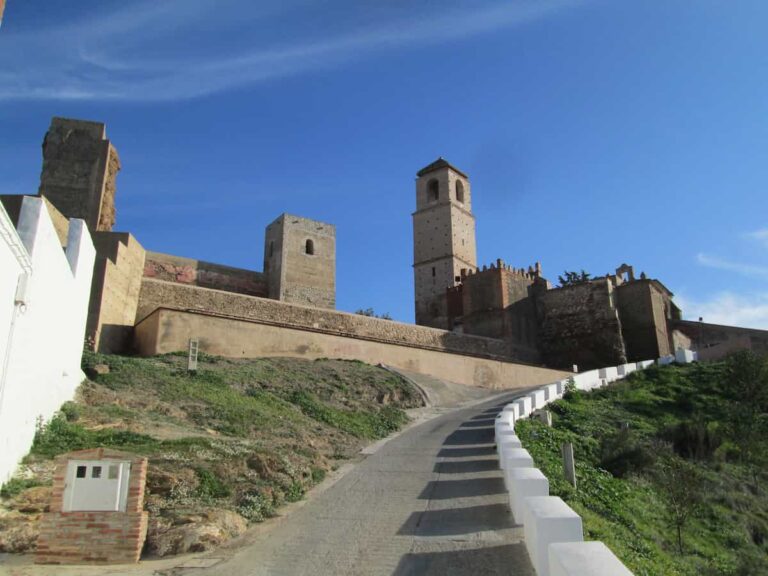
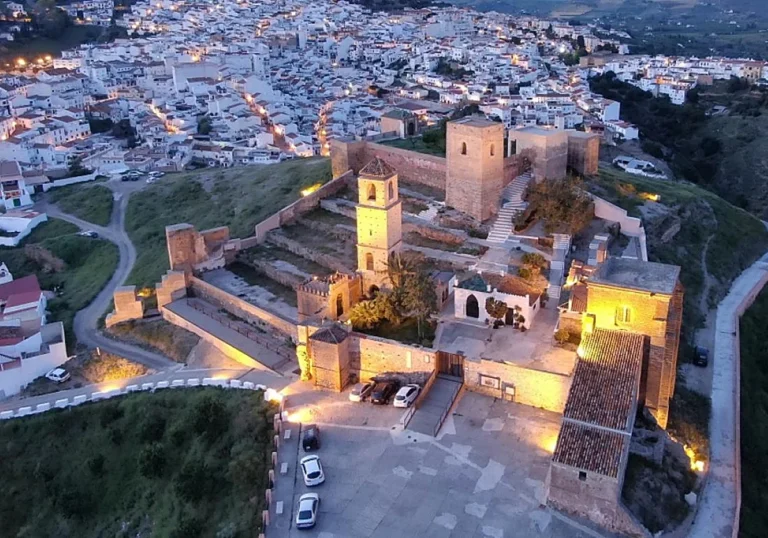
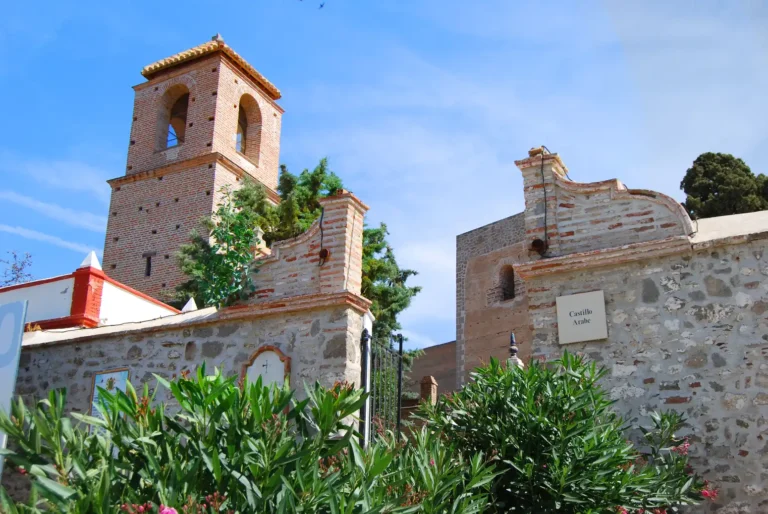
Muslims followed the Romans. They came in the middle of the 8th century and built plenty of villages, hamlets and farmsteads. These were built around the rivers Guadalhorce and Grande to take advantage of natural resources ̶ fertile land, waterpower, and so on. The location of the area between the coast and the inland, as well as its role in certain periods of time, resulted in a wide range of buildings that were used to defend and watch over the territory.
As for the farming, new ways of water extraction (waterwheels), collecting (reservoirs) and channelling (drain pipes, ditches) were installed, which increased agricultural activity and allowed irrigation of the land which used to be used for non-irrigated kind of crops. Existing waterpower inspired the creation of new industrial devices, such as water mills and fulling mills. Arab watering techniques thrived in the Guadalhorce Valley in spite of the changes which happened later on.
Once Castilians came there, it was necessary to repopulate, organize and distribute the territory. That new society which added the territory of the Guadalhorce Valley to the Castilian Crown was based on a law of rights of birth. Agricultural landscape of the territorial divisions in 1492 shows this was an area dedicated to farming. Vineyards, olive groves and orchards, as well as wheat were main crops.
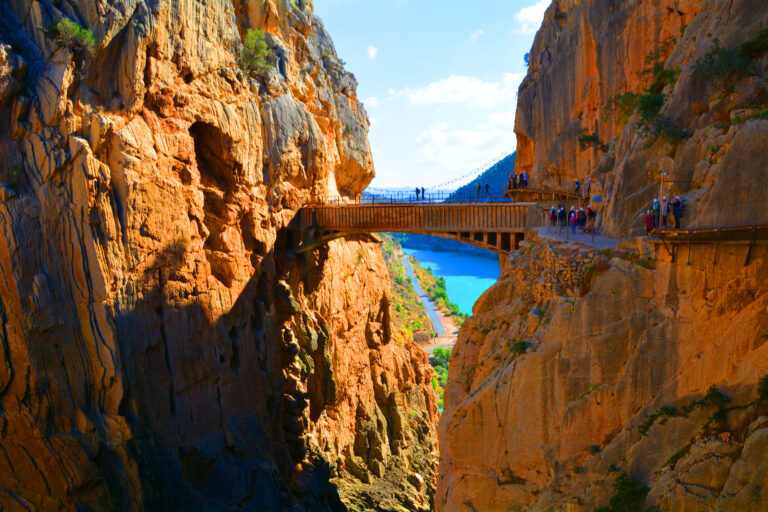
Late Modern Period was very important for this area. The use of train resulted in new infrastructures which were characteristic of the 19th and 20th centuries. Roads were also the reason for new infrastructures, above all bridges, which were used to overcome obstacles in natural surroundings. These metal structures were an important part of the scenery. We also underline hydraulic infrastructures in El Chorro in Álora, which are, no doubt, the greatest work in that period as for their size and features.
Round 1835, the biggest part of cemeteries was built, for example in Alhaurín el Grande, Coín and Álora. The Catholic Church also built important temples in this period.
Art Nouveau influenced many of the buildings and facilities. The most important example regarding its size and luxury was the palace of the Counts of Puerto-Hermoso in Pizarra of neo-Mudejar style, which was refurbished on several occasions after the Spanish Civil War.
Population & Lifestyle
General Overview — Guadalhorce Valley
The Guadalhorce Valley is one of the most authentic inland regions of Málaga province. Stretching north and west of Málaga city, this fertile valley follows the course of the Guadalhorce River and connects countryside living with direct access to the coast, airport and capital.
It is a region defined by space, land and tradition, where agriculture, nature and community life remain central — yet without isolation.
Unlike purely rural areas, the Guadalhorce Valley functions as a living, working region. Towns such as Alhaurín el Grande, Coín, Cártama and Pizarra form the backbone of the valley, offering full infrastructure while maintaining a strong Andalusian identity.
A Landscape Built for Living
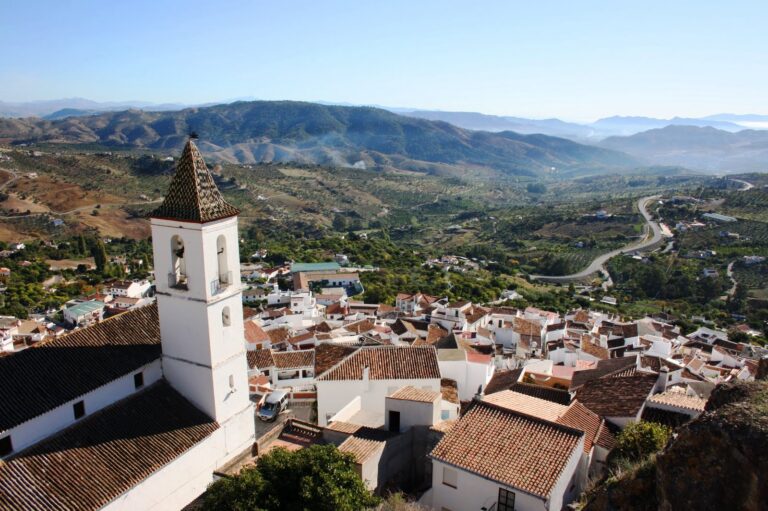
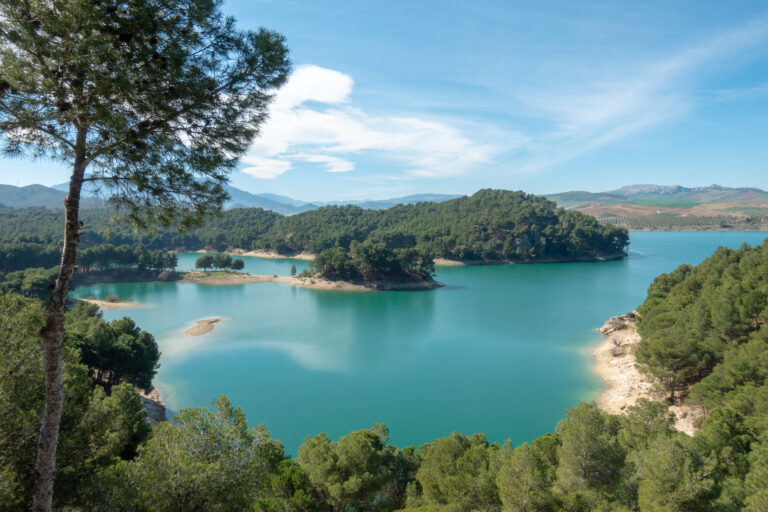
The valley is characterised by rolling hills, open farmland and wide river plains. This geography creates one of the greenest landscapes in the province, with citrus groves, olive trees and fruit farms shaping the environment.
Properties here often benefit from:
-
Open views rather than dense development
-
Larger plots of land
-
Easy access roads
-
A strong sense of openness
It feels rural — but never remote.
Strategic Location
One of the Guadalhorce Valley’s greatest strengths is its location. Despite its countryside character, it sits just minutes from Málaga’s urban core.
Residents enjoy:
-
Short drives to Málaga city
-
Quick access to Málaga International Airport
-
Easy connections to the Costa del Sol
-
Strong road and rail infrastructure
This makes the valley particularly attractive for people seeking inland space without sacrificing connectivity.
Towns with Function and Identity
Unlike regions built around tourism, the Guadalhorce Valley towns are designed for daily life.
They offer:
-
Schools and medical centres
-
Sports facilities
-
Local commerce and markets
-
Year-round population
Life here continues independently of tourism seasons.
A Region with Agricultural Roots
Agriculture remains deeply embedded in the valley’s identity. The land is productive, and farming is still a visible part of everyday life.
This creates a grounded atmosphere — practical, honest and stable.
The valley was never designed to impress — it was designed to sustain.
Growing Interest Without Overdevelopment
In recent years, the Guadalhorce Valley has attracted increasing attention from buyers seeking:
-
More space and land
-
Better value compared to coastal areas
-
Authentic Andalusian life
-
Proximity to Málaga city
Growth has been steady rather than speculative, helping preserve balance and long-term stability.
Who the Valley Appeals To
The Guadalhorce Valley attracts:
-
Families looking for space and affordability
-
Buyers seeking fincas and country homes
-
Remote workers needing proximity to the city
-
Long-term residents rather than short-term visitors
It is a region chosen deliberately — not impulsively.
The Big Picture
The Guadalhorce Valley offers something increasingly rare in southern Spain: rural living with urban access.
It combines land, light and lifestyle with practicality and connection — making it one of the most livable inland regions in Málaga province.
For those who want countryside without compromise, the Guadalhorce Valley delivers exactly that.
History & Character
History & Character — Guadalhorce Valley
The Guadalhorce Valley is one of the oldest inhabited regions of Málaga province. Its fertile land, access to water and strategic position between the coast and inland Andalusia made it a natural centre for settlement long before modern cities existed.
The valley’s character was formed by agriculture, resilience and continuity — not by tourism or fashion.
Ancient Foundations
Evidence of early settlements dates back to the Phoenician and Roman periods, when the valley served as an important agricultural corridor supplying Málaga and coastal trade routes.
Roman villas, irrigation systems and road networks once crossed this land, establishing patterns of cultivation that still influence the valley today.
Moorish Influence and Agricultural Mastery
During the Moorish era, the valley became one of the most productive regions of Al-Andalus.
Advanced irrigation techniques were introduced, transforming the river plains into fertile farmland. Many of these water channels formed the basis of today’s agricultural layout.
The names of towns such as Cártama and Pizarra originate from this period, and Moorish influence can still be seen in village layouts and rural architecture.
A Working Valley
For centuries, the Guadalhorce Valley functioned as Málaga’s agricultural heartland.
Farming was not secondary — it was central to life. Citrus fruits, olives, vegetables and later subtropical crops shaped both economy and identity.
Unlike coastal areas, the valley never depended on visitors. It depended on the land.
This created a mindset rooted in practicality, cooperation and long-term thinking.
Continuity Through Change
While Málaga city expanded rapidly during the 20th century, the valley maintained its role as a stable rural counterpart.
Development occurred slowly and organically, allowing towns to modernise without losing their structure or community identity.
The result is a region where old and new coexist naturally — tractors and modern cars sharing the same roads.
Character Today
The character of the Guadalhorce Valley can best be described as:
-
Grounded and practical
-
Strongly community-oriented
-
Proud of its rural heritage
-
Calm, functional and authentic
Life here is not performative. It’s lived.
Traditions continue, local fiestas remain community events, and daily routines revolve around family, work and shared space.
A Region with Stability
What defines the valley today is continuity.
People live here for decades, not seasons. Businesses serve locals, not visitors. Towns grow because families stay — not because trends arrive.
This stability is one of the region’s strongest assets for long-term residents and property buyers alike.
The Deeper Identity
The Guadalhorce Valley doesn’t try to reinvent itself.
Its character is built on land, labour and location — values that don’t change quickly.
For buyers seeking authenticity, space and a sense of permanence, the valley offers something increasingly rare in modern southern Spain: a region that still feels real.
Things to do
Things to Do — Guadalhorce Valley
Life in the Guadalhorce Valley is shaped by outdoor living, community and landscape. Activities here are not built around tourism, but around everyday enjoyment of nature, space and Andalusian traditions.
It’s a region where people live actively — without pressure or crowds.
Nature & Outdoor Life
The valley’s open countryside makes outdoor activity part of daily routine.
Popular activities include:
-
Walking and countryside trails
-
Cycling through farmland and hills
-
Horse riding across rural routes
-
Outdoor fitness and sports
The flat terrain in many areas makes the valley especially suitable for cycling and equestrian lifestyles.
Hiking & Scenic Routes
Surrounding hills offer numerous hiking paths with views across the valley and toward the Sierra de las Nieves and Montes de Málaga.
Routes range from easy countryside walks to more demanding hill trails — ideal for year-round use thanks to the mild climate.
Equestrian Activities
The Guadalhorce Valley is one of Málaga province’s main equestrian regions.
Many residents enjoy:
-
Horse ownership
-
Riding schools and training centres
-
Rural bridle paths
-
Agricultural land suitable for stables
This lifestyle is a major draw for international buyers.
Local Markets & Town Life
Weekly markets in towns such as Coín, Alhaurín el Grande and Cártama are central social moments.
Here, residents buy fresh produce, meet neighbours and maintain strong community connections.
Cafés and plazas remain important gathering points.
Sports & Leisure
The region offers a wide range of sports facilities including:
-
Municipal sports centres
-
Football fields and swimming pools
-
Tennis and paddle courts
-
Gyms and outdoor training areas
Many activities are supported by local councils, keeping costs accessible.
Cultural Life & Traditions
Traditional Andalusian fiestas remain central to valley life.
Throughout the year, towns celebrate:
-
Local ferias
-
Religious processions
-
Agricultural festivals
-
Seasonal community events
These gatherings are authentic and community-driven — not tourist performances.
Gastronomy & Social Living
Food plays an important role in daily life.
Long lunches, weekend family meals and local restaurants are part of the lifestyle, with cuisine rooted in regional products and traditional recipes.
Social life is relaxed and informal.
Proximity Activities
Thanks to its location, residents can easily enjoy:
-
Málaga city culture and museums
-
Coastal beaches within 30–40 minutes
-
Mountain excursions and nature parks
-
Day trips across Andalusia
This flexibility adds richness to everyday living.
The Experience in Summary
The Guadalhorce Valley offers a lifestyle based on space, movement and community.
It’s not about attractions — it’s about freedom to live outdoors, room to breathe and strong local connection.
For those who value balance over bustle, the valley delivers exactly that.

Property Styles
Property Styles — Guadalhorce Valley
Property styles in the Guadalhorce Valley are shaped by land, function and space. This is not a region of compact urban living or resort-style developments, but an area defined by fincas, family homes and practical countryside properties.
Homes here are designed to live in — not to impress.
Traditional Fincas & Country Homes
The most characteristic properties in the valley are fincas.
Typically located on flat or gently sloping land, these homes often feature:
-
Large plots with agricultural land
-
Fruit trees and irrigation systems
-
Single-level or low-rise layouts
-
Outbuildings, storage or stables
Many fincas were built for working land, later adapted for residential use. They appeal strongly to buyers seeking space, privacy and rural living close to the city.
Detached Villas
Detached villas are common on the edges of towns and in semi-rural zones.
Typical features include:
-
Private plots
-
Swimming pools
-
Open views across the valley
-
Easy road access
These homes offer a balance between countryside living and proximity to amenities.
Townhouses & Village Homes
Within towns such as Alhaurín el Grande, Coín, Cártama and Pizarra, traditional townhouses remain popular.
Characteristics often include:
-
Multi-level layouts
-
Roof terraces
-
Central village locations
-
Walking distance to shops and services
These properties suit families and full-time residents who want space without rural maintenance.
Modern Residential Developments
Small-scale modern developments exist near town centres, offering:
-
Contemporary apartments or townhouses
-
Communal pools
-
Garages and storage
-
Practical layouts
Large resort-style complexes are rare, helping preserve the valley’s open character.
Agricultural & Equestrian Properties
Thanks to the valley’s flat terrain, the area is particularly suited for:
-
Horse properties
-
Smallholdings
-
Agricultural land ownership
This makes the Guadalhorce Valley one of the most popular inland regions for equestrian lifestyles in Málaga province.
Overall Property Character
Property styles in the Guadalhorce Valley can be summarised as:
-
Spacious and land-focused
-
Practical rather than decorative
-
Low-density and functional
-
Strong in long-term usability
Homes here prioritise outdoor space, accessibility and comfort.
What Buyers Should Know
Properties in the valley are often chosen for:
-
Larger land plots
-
Better value per square metre
-
Proximity to Málaga and airport
-
Year-round living potential
This is not a market driven by short-term tourism or luxury branding — it’s driven by people who plan to stay.
In Summary
The Guadalhorce Valley offers property that feels useful, honest and grounded.
From traditional fincas to modern family homes, the region provides space to live, grow and breathe — while remaining connected to everything that matters.
Property Prices
Property Prices — Guadalhorce Valley
The Guadalhorce Valley is widely regarded as one of the best-value inland property markets in Málaga province. Prices remain significantly lower than coastal areas, while offering larger plots, more space and strong long-term liveability.
The market is driven primarily by permanent residents rather than tourism or speculation.
Average Price Levels
Property prices vary by town and proximity to Málaga, but overall remain accessible compared to the coast.
Indicative ranges:
-
Apartments: approx. €1,500 – €2,200 per m²
-
Townhouses: approx. €180,000 – €350,000
-
Detached villas: typically €300,000 – €700,000+
-
Fincas & country homes: often €250,000 – €600,000, depending on land size and condition
Properties with extensive land, equestrian facilities or high-quality access can exceed these ranges, but still remain competitive compared to coastal pricing.
Price Differences by Area
-
Cártama & Estación de Cártama: higher demand due to rail access and proximity to Málaga
-
Alhaurín el Grande: broad price range with strong family demand
-
Coín: excellent value with large property supply
-
Pizarra: among the most affordable options with solid infrastructure
Location and access are often more important than property size alone.
Market Behaviour
The Guadalhorce Valley has experienced steady, controlled growth in recent years.
Key supporting factors include:
-
Rising coastal prices pushing buyers inland
-
Increased demand for space and land
-
Remote working flexibility
-
Strong connectivity to Málaga and the airport
Price growth has been gradual rather than speculative, supporting market stability.
What Buyers Get for Their Budget
Compared to coastal areas, buyers typically gain:
-
Significantly larger plots
-
More interior living space
-
Lower community fees
-
Better long-term usability
This makes the valley especially attractive for families and lifestyle buyers.
Investment Perspective
This is not a short-term flip market.
The Guadalhorce Valley appeals to:
-
Long-term homeowners
-
Families relocating inland
-
Buyers seeking land and privacy
-
Investors focused on stability rather than hype
Rental demand exists — particularly for long-term lets — but the area’s strength lies in permanent living.
The Bottom Line
Property prices in the Guadalhorce Valley remain grounded and realistic.
The region offers one of the strongest value propositions in southern Spain: space, land and location — without coastal price pressure.
For buyers seeking inland living with urban access, the valley continues to represent a smart, sustainable choice.
Distances
Distances — Guadalhorce Valley
One of the greatest advantages of the Guadalhorce Valley is its exceptional connectivity. Despite its rural landscape, the region sits directly alongside Málaga’s main transport corridors, making daily travel easy and efficient.
Distances vary slightly depending on the town, but overall access is among the best of any inland area in the province.
Key Distances
-
Málaga city centre – approx. 20–35 minutes
-
Málaga International Airport (AGP) – approx. 15–30 minutes
-
Costa del Sol beaches – approx. 25–40 minutes
-
Torremolinos / Benalmádena – approx. 30–40 minutes
This proximity allows residents to combine countryside living with coastal and urban life effortlessly.
Main Town Connections (Approximate)
-
Alhaurín el Grande → Málaga – approx. 30 minutes
-
Coín → Málaga – approx. 35 minutes
-
Cártama → Málaga – approx. 20–25 minutes
-
Pizarra → Málaga – approx. 25 minutes
Distances between towns within the valley are generally 10–20 minutes.
Transport Infrastructure
-
Direct access to the A-357 motorway, connecting the valley to Málaga city
-
Fast routes to the A-7 and AP-7 coastal motorways
-
Train connections from Cártama and Pizarra to Málaga centre
-
Regular regional bus services
This level of infrastructure is rare for an inland region.
Daily Convenience Distances
-
Supermarkets, medical centres and schools are available locally in each main town
-
Major hospitals reachable within 20–30 minutes
-
Shopping centres and business zones within short driving distance
Private transport is common, but public transport is genuinely usable here.
Why These Distances Matter
The Guadalhorce Valley offers something unique: space without isolation.
You can live on a finca surrounded by land — yet still reach the airport in under half an hour or Málaga city for work, culture or dining.
For professionals, families and remote workers, this accessibility makes the valley a highly practical long-term choice.
In Summary
-
Rural environment
-
Urban-level connectivity
-
Airport within easy reach
-
Coast accessible without daily congestion
In short: inland living with metropolitan access.
Education
Education — Guadalhorce Valley
Education in the Guadalhorce Valley is well structured and strongly oriented toward permanent living. The region benefits from a solid network of public schools, supported by private and international options within easy reach of Málaga city.
This makes the valley particularly suitable for families combining countryside living with long-term stability.
Public Education
Public education forms the foundation of schooling in the valley.
Primary and secondary schools are available in all major towns, including:
-
Alhaurín el Grande
-
Coín
-
Cártama
-
Pizarra
These schools follow the Spanish national curriculum and are well integrated into local communities.
Advantages include:
-
Free or very low-cost education
-
Strong community involvement
-
Smaller class sizes compared to urban centres
-
Natural Spanish language immersion
For families planning full integration, public schooling works very well.
Secondary Education & Vocational Training
Larger towns offer secondary institutes (IES) and vocational centres providing:
-
Academic secondary education
-
Technical and professional training
-
Trade and skills-based programmes
This gives teenagers practical long-term education options close to home.
Private & Bilingual Schools
Several private and bilingual schools are located within or near the valley, offering enhanced English education alongside the Spanish curriculum.
These schools are popular with families seeking a balance between local integration and international language exposure.
International Education Options
One of the key advantages of the Guadalhorce Valley is its proximity to Málaga city.
Within approximately 25–45 minutes, families can access:
-
British curriculum schools
-
International schools
-
Bilingual private academies
This flexibility allows families to choose between local schooling and international education without relocating.
Language Academies
English and Spanish language academies are widely available across the valley.
They provide:
-
After-school support
-
Language integration programmes
-
Adult education courses
These academies play an important role for international families settling in the region.
Universities & Higher Education
The University of Málaga (UMA) is easily accessible, offering a wide range of academic disciplines and professional studies.
This proximity adds long-term educational value for families with older children.
Education & Lifestyle Perspective
Education in the Guadalhorce Valley supports a balanced upbringing.
Children grow up with:
-
Outdoor space
-
Strong community networks
-
Lower daily stress
-
Access to both rural and urban environments
It’s a setting that encourages independence, connection and stability.
What Families Should Know
The valley suits families who:
-
Value space and calm living
-
Are open to Spanish or bilingual education
-
Want access to Málaga without city living
-
Plan long-term residence
For families prioritising international schools exclusively, daily commuting is realistic and common.
In Summary
The Guadalhorce Valley offers a strong educational foundation built around community, accessibility and choice.
With reliable public schools locally and international options nearby, families can enjoy countryside life without compromising education.
Nearby Restaurants
Nearby Restaurants — Guadalhorce Valley
Dining in the Guadalhorce Valley is rooted in traditional Andalusian cuisine, local produce and long-standing family restaurants. Food here is social, generous and uncomplicated — meant to be shared and enjoyed without formality.
Traditional Andalusian Restaurants
Venta Los Chavos (Alhaurín el Grande)
A classic countryside restaurant known for grilled meats, local dishes and generous portions. Very popular with residents.
Venta El Barranco (Coín)
Long-established venta serving traditional Andalusian cuisine in a rural setting — a true local favourite.
Restaurante Casa Paco (Cártama)
Family-run restaurant offering homemade Spanish dishes and a relaxed local atmosphere.
Restaurante El Lagar de Pepe (Alhaurín el Grande)
Well known for meat dishes, local wines and a warm, traditional interior.
Countryside Ventas & Rural Dining
Venta Platero (near Pizarra)
Typical roadside venta specialising in grilled meats, stews and Andalusian classics.
Venta La Porrita (Cártama area)
Popular for weekend lunches, rustic cooking and countryside ambiance.
Venta El Tunel (near Álora)
A well-known stop for traditional dishes, especially during weekends and local festivities.
Town Restaurants & Social Spots
Casa Antonio (Coín)
Reliable town restaurant offering Mediterranean cuisine and daily menus popular with locals.
Restaurante La Cruz de Piedra (Alhaurín el Grande)
Local institution with traditional Spanish cooking and friendly service.
El Fogón de Morales (Cártama)
Well-rated for homemade dishes and local specialities.
Modern & International Options
La Alegría Gastrobar (Coín)
Modern Spanish cuisine with creative touches, popular for evening dining.
Bistro 66 (Alhaurín el Grande)
International bistro-style restaurant offering variety while maintaining local feel.
Dining Culture in the Valley
Eating out in the Guadalhorce Valley is part of everyday life — not reserved for weekends or special occasions.
Expect:
-
Homemade cooking
-
Local ingredients
-
Good value for money
-
Relaxed, family-friendly atmosphere
Long lunches and social dinners are common, especially on weekends.
What to Expect Overall
Restaurants here prioritise flavour over presentation and atmosphere over formality. Many are multi-generation family businesses where quality and consistency matter more than trends.
Dining reflects the valley itself: honest, generous and grounded.