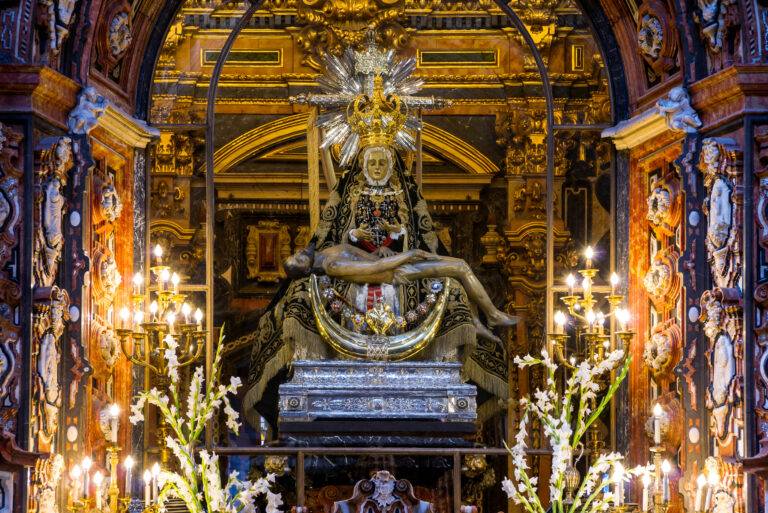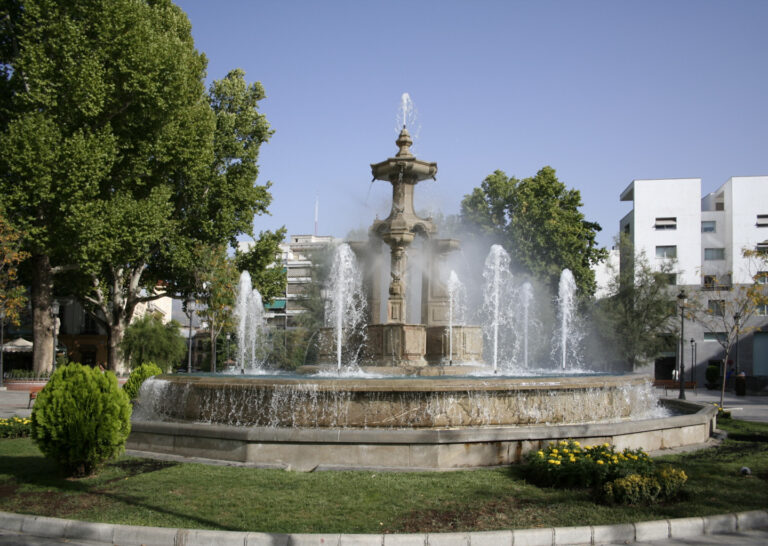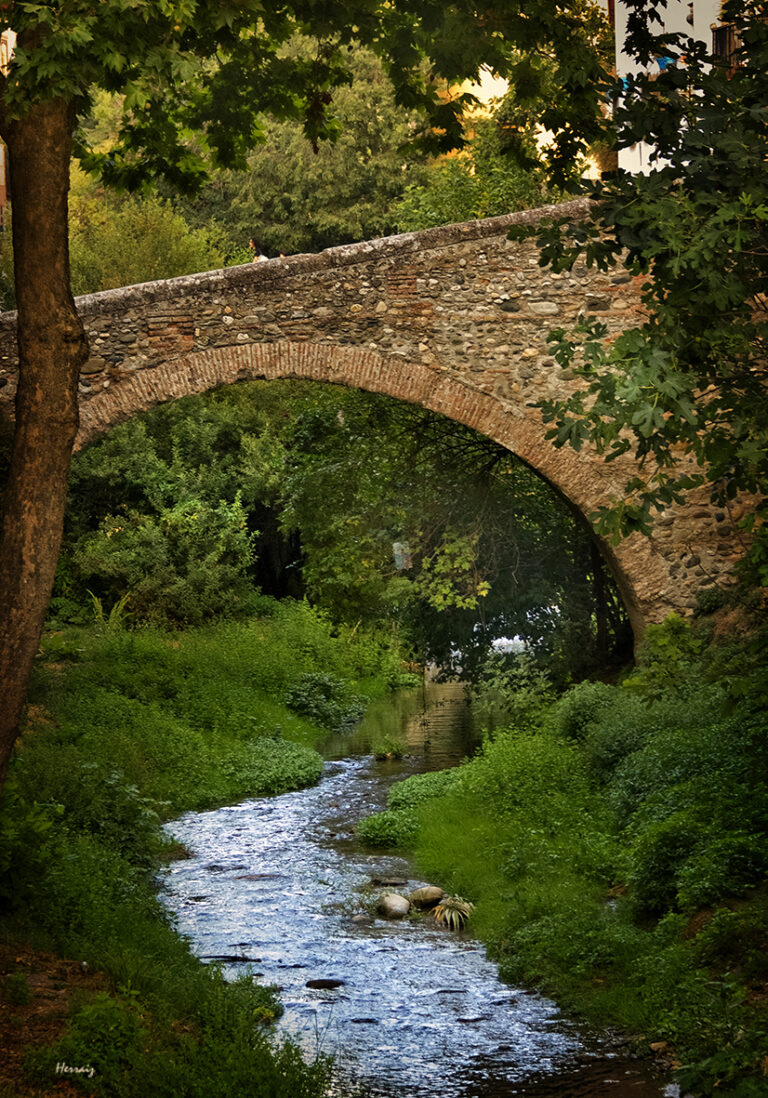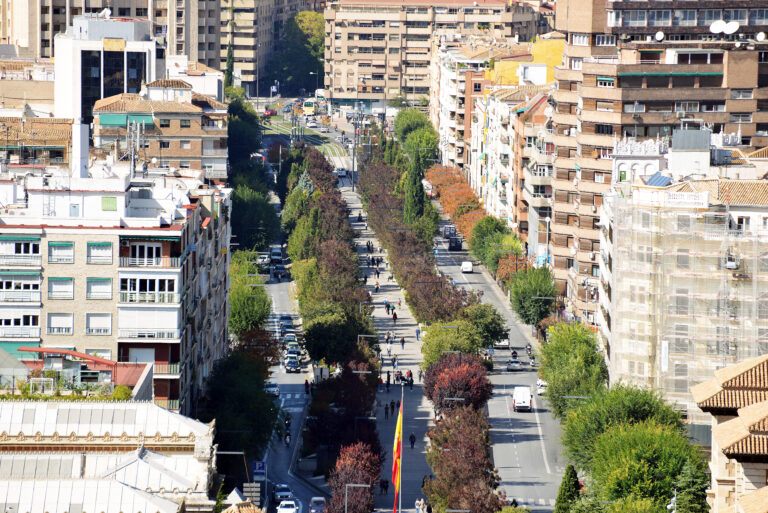

Granada
General overview
General Overview — Granada
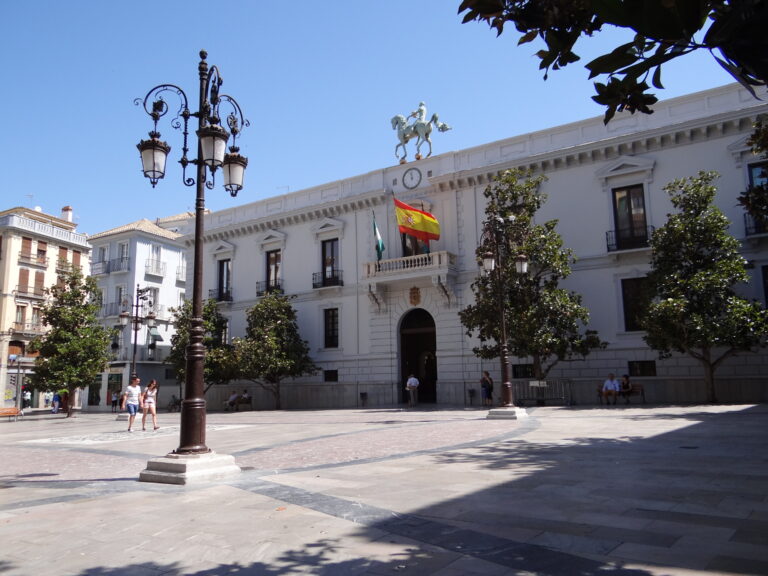
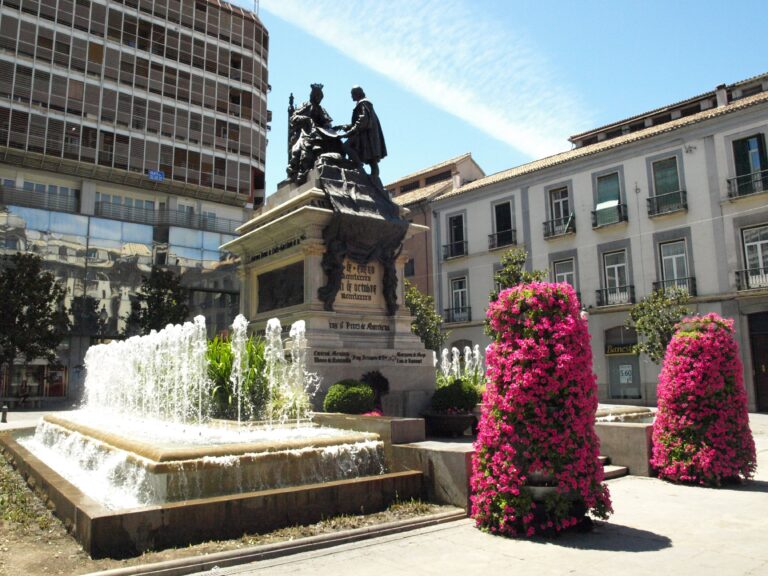
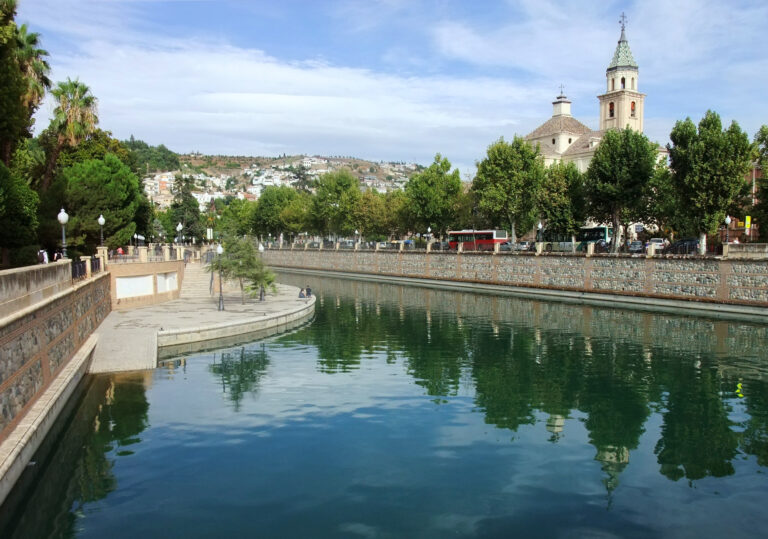
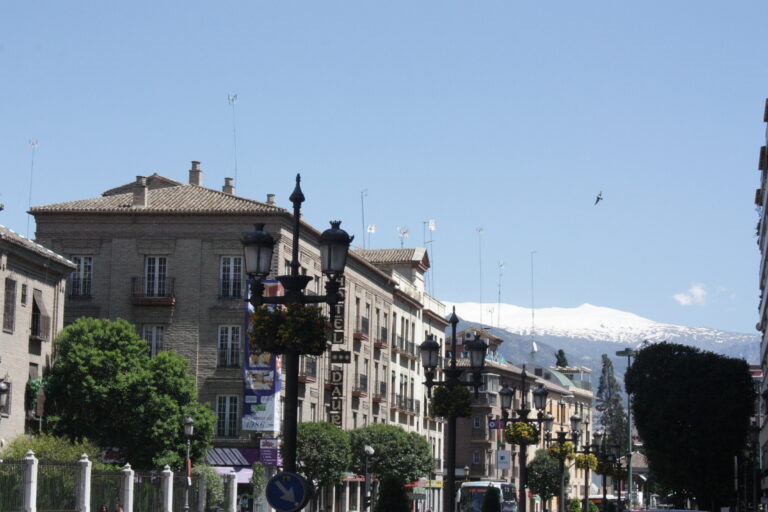
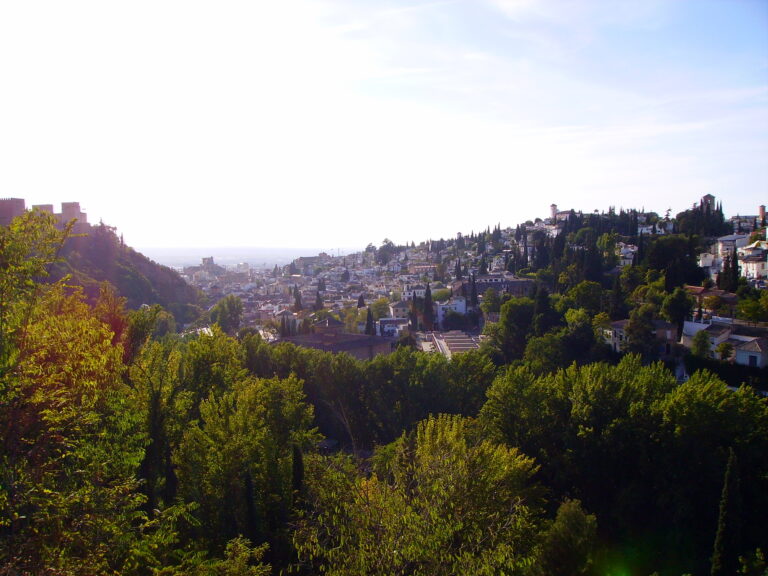
Granada is one of Spain’s most historically rich and culturally powerful cities. Nestled at the foothills of the Sierra Nevada mountains, it offers a rare combination of monumental heritage, vibrant city life and dramatic natural surroundings.
Few cities in Europe blend history, student energy and mountain lifestyle as seamlessly as Granada.
A City Defined by Setting
Granada’s location is extraordinary.
The city sits between:
-
The snow-capped peaks of the Sierra Nevada
-
Fertile plains of the Vega de Granada
-
Rolling hills leading toward the coast
This natural setting shapes daily life, climate and rhythm — creating a city that feels both grounded and elevated.
Historical Weight with Living Energy
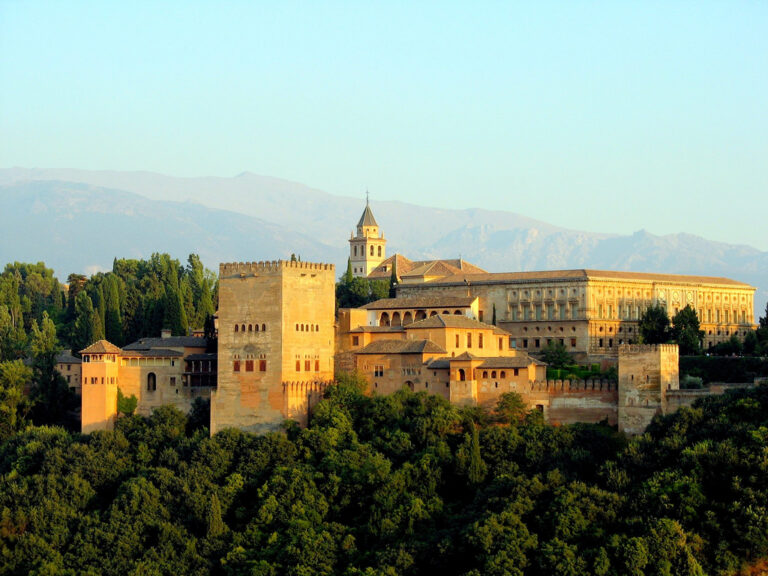
Granada is globally known for the Alhambra, one of the most important historical monuments in the world. Yet the city is not a museum.
Granada lives, moves and evolves — driven by students, families, artists and professionals.
Its past is visible everywhere, but its present is very much alive.
A Strong University City
The University of Granada is one of Spain’s largest and most prestigious universities, bringing tens of thousands of students into the city.
This creates:
-
Youthful energy
-
International population
-
Affordable dining and cultural life
-
Constant innovation and movement
The student presence defines Granada’s atmosphere year-round.
Affordable Urban Living
Compared to major Spanish cities and coastal markets, Granada remains remarkably affordable.
This makes it attractive for:
-
Young professionals
-
Long-term residents
-
Remote workers
-
Investors seeking value
The city offers strong lifestyle quality without big-city cost pressure.
Culture at the Core
Granada’s culture is deeply rooted in:
-
Flamenco traditions (especially in Sacromonte)
-
Moorish and Andalusian heritage
-
Music, poetry and art
-
Street life and social interaction
Culture here is not staged — it’s lived.
A Walkable, Human-Scale City
Granada is compact and walkable.
Most daily needs — shops, cafés, universities, parks and historic districts — are easily accessible on foot or by public transport.
This gives the city intimacy despite its importance.
Climate & Lifestyle Balance
Granada enjoys four distinct seasons.
Winters are cooler than the coast, while summers are warm but dry. Many residents enjoy:
-
Skiing in the Sierra Nevada in winter
-
City terraces in spring and autumn
-
Easy access to nature year-round
Few cities offer this contrast within such short distance.
A City for Depth Seekers
Granada attracts people who value:
-
History and authenticity
-
Intellectual and cultural life
-
Real community
-
Natural surroundings
It appeals less to glamour — and more to meaning.
The Bigger Picture
Granada is a city of layers.
Ancient yet youthful.
Historic yet affordable.
Urban yet surrounded by wilderness.
For those seeking a lifestyle rich in culture, identity and atmosphere, Granada offers something rare — a city that still feels deeply itself.
Population & Lifestyle
Population & Lifestyle — Granada
Granada is home to approximately 235,000 residents, making it a medium-sized Spanish city with a strong sense of identity. What defines Granada most is not its size, but its atmosphere — shaped by students, tradition, culture and daily street life.
It is a city that feels alive without feeling overwhelming.
A Young and Dynamic Population
One of Granada’s defining features is its large student population.
The University of Granada attracts tens of thousands of students from across Spain and abroad, giving the city a youthful, international energy.
This influences everything from cafés and nightlife to pricing and cultural life.
At the same time, Granada remains deeply local — with families and long-term residents forming the backbone of its neighbourhoods.
A Strong Sense of Community
Granada maintains a strong neighbourhood culture.
Daily life revolves around:
-
Local bakeries and markets
-
Small cafés and tapas bars
-
Plazas and street life
-
Familiar routines
People tend to live locally, creating a sense of belonging and continuity.
A Social and Outdoor Lifestyle
Granada is an intensely social city.
Life often happens outside — on terraces, in plazas and along narrow historic streets.
The famous tradition of free tapas with drinks encourages social interaction and shared experiences, making dining out affordable and communal.
Cultural Life as Everyday Life
Culture in Granada is not limited to institutions.
Flamenco, music, poetry and street performance are part of daily life — especially in areas like Albaicín and Sacromonte.
Festivals, concerts and local events take place throughout the year.
A City of Rhythm, Not Rush
Granada moves at its own pace.
While lively, it avoids the pressure of larger cities. Days are structured, evenings are long, and social life flows naturally.
This rhythm appeals strongly to people seeking balance and authenticity.
Lifestyle Cost & Quality
Granada offers one of the best cost-to-quality ratios in Spain.
Residents benefit from:
-
Affordable housing compared to major cities
-
Low dining and entertainment costs
-
Accessible public services
-
High cultural value
This makes the city particularly attractive for long-term living.
Nature as Part of Daily Life
The proximity of the Sierra Nevada plays a major role in lifestyle.
Residents often enjoy:
-
Hiking and nature escapes
-
Skiing in winter
-
Scenic walks and viewpoints
-
Cooler evenings compared to the coast
Nature is never far away.
Who Chooses Granada
Granada attracts people who value:
-
Cultural depth
-
Academic environment
-
Affordable urban living
-
History and authenticity
It is popular with students, creatives, families, remote workers and those seeking meaningful lifestyle rather than status.
The Overall Lifestyle
Life in Granada is rich, grounded and human.
It offers connection instead of anonymity, culture instead of spectacle, and depth instead of speed.
For those who want a city with soul, Granada delivers — quietly and confidently.
History & Character
History & Character — Granada
Granada is a city shaped by centuries of coexistence, conflict and cultural brilliance. Its history is not a distant backdrop — it is visible, tangible and deeply woven into everyday life.
Few cities in Europe carry such emotional and architectural weight.
Ancient Foundations
Granada’s earliest settlements date back to Iberian and Roman times, when the area was valued for its fertile land and strategic position between mountains and plains.
Roman roads and remains in the surrounding region confirm its early importance as a crossroads of trade and agriculture.
The Moorish Golden Age
Granada reached its greatest historical significance during the Nasrid dynasty, when it became the last Muslim kingdom in Western Europe.
During this period, the city flourished culturally, scientifically and architecturally.
The construction of the Alhambra — one of the most extraordinary monuments in the world — symbolised the peak of Andalusi civilisation.
Water systems, gardens, poetry and urban planning reached unmatched sophistication.
The Fall of Granada
In 1492, Granada was captured by the Catholic Monarchs, marking the end of Muslim rule in Spain.
This moment reshaped the city profoundly — politically, religiously and socially.
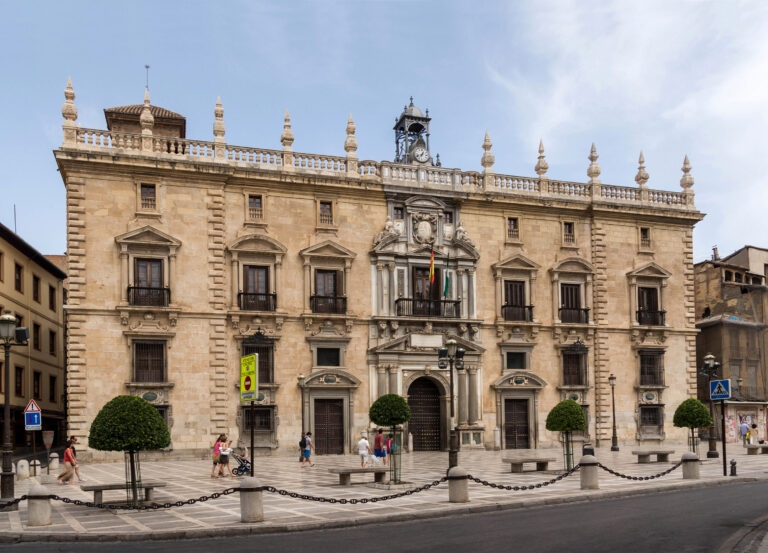
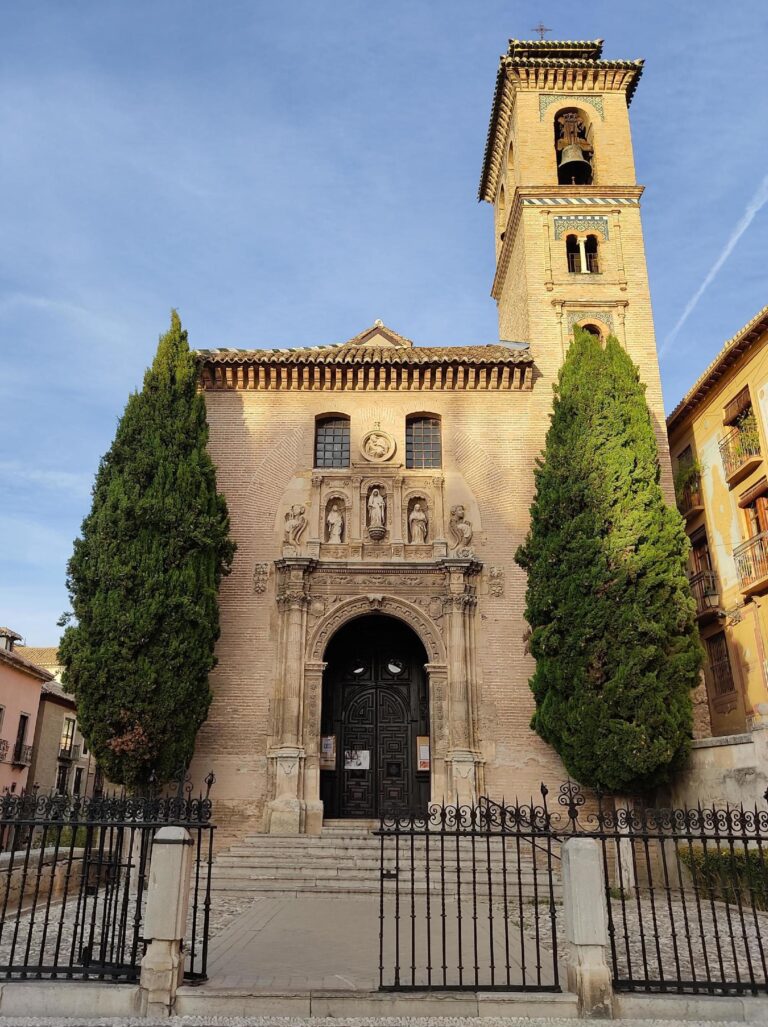
Churches, monasteries and Renaissance buildings rose alongside Moorish quarters, creating the layered cityscape seen today.
A City of Two Worlds
Granada’s identity is built on contrast.
-
Moorish palaces beside Christian cathedrals
-
Narrow medieval streets beside grand plazas
-
Islamic geometry meeting Renaissance symmetry
This coexistence gives the city its unique emotional tension and beauty.
Albaicín & Sacromonte
The historic districts of Albaicín and Sacromonte preserve Granada’s oldest soul.
Whitewashed houses, steep alleys and viewpoints over the Alhambra define daily life here.
Sacromonte, known for its cave houses and flamenco traditions, represents resilience, artistry and deep-rooted culture.
Intellectual & Cultural Continuity
Granada has long attracted writers, thinkers and artists.
Its university tradition, poetry heritage and musical culture continue to influence the city’s intellectual atmosphere.
The city encourages reflection, creativity and conversation.
Character Today
Today, Granada is defined by:
-
Deep historical awareness
-
Strong local pride
-
Artistic and academic energy
-
A slower, more meaningful rhythm of life
It resists mass commercialisation and maintains authenticity.
A City with Soul
Granada does not seek to modernise at the expense of identity.
Change happens carefully, respecting heritage and emotional memory.
This creates a city that feels honest — sometimes imperfect — but profoundly real.
In Summary
Granada’s character is not polished — it is powerful.
It is a city of memory, symbolism and beauty shaped by centuries of human experience.
For those drawn to history, depth and atmosphere, Granada offers something rare:
a place that stays with you long after you leave.
Things to do
Things to Do — Granada
Granada is a city where daily life and rich experiences are deeply intertwined. From world-famous monuments to vibrant neighbourhoods, outdoor adventures and cultural rituals like tapas, there’s always a way to spend your time that feels meaningful rather than superficial.
Explore La Alhambra & Generalife
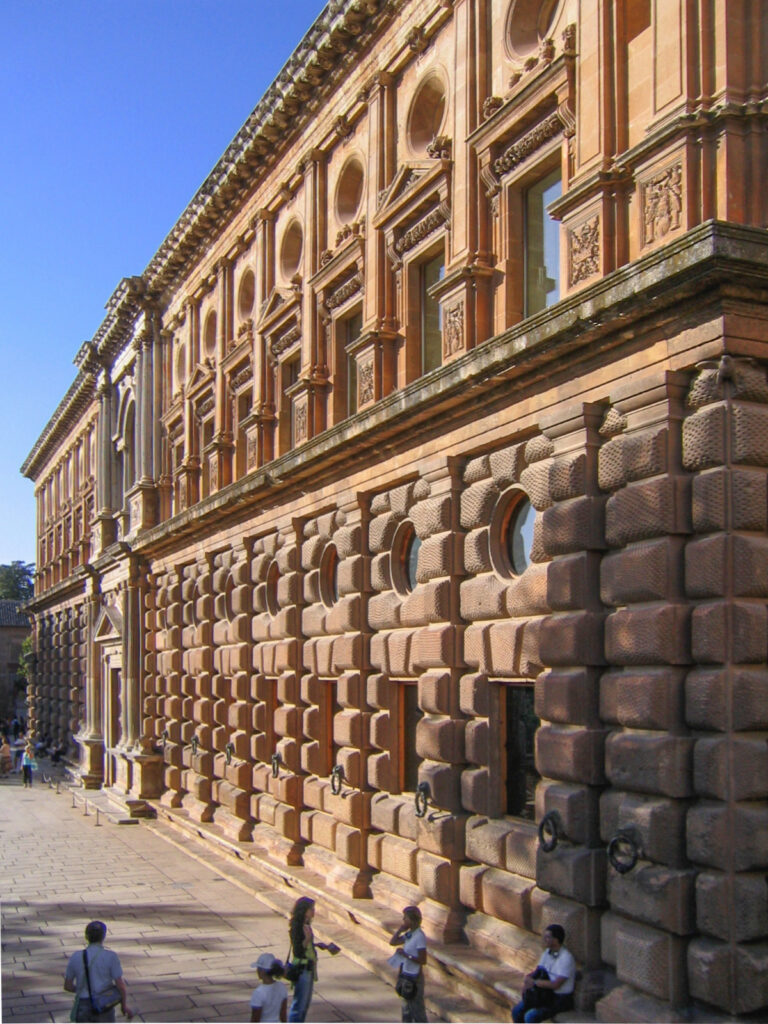
The Alhambra is the symbol of Granada — a sprawling Moorish palace and fortress complex that draws visitors from around the world. Here you can walk through the Nasrid Palaces, the Generalife gardens and the Alcazaba fortress, all blending history with stunning views over the city.
Wander Historic Neighbourhoods
Granada’s old quarters are part of everyday life:
-
Albaicín: A labyrinth of narrow streets, whitewashed houses and scenic viewpoints such as Mirador de San Nicolás.
-
Sacromonte: Famous for cave houses and flamenco heritage, a place where history and tradition feel alive.
Walking these areas — especially at sunset — is both picturesque and deeply rooted in local rhythm.
Historic and Cultural Highlights
Granada’s city centre offers many architectural and cultural highlights:
-
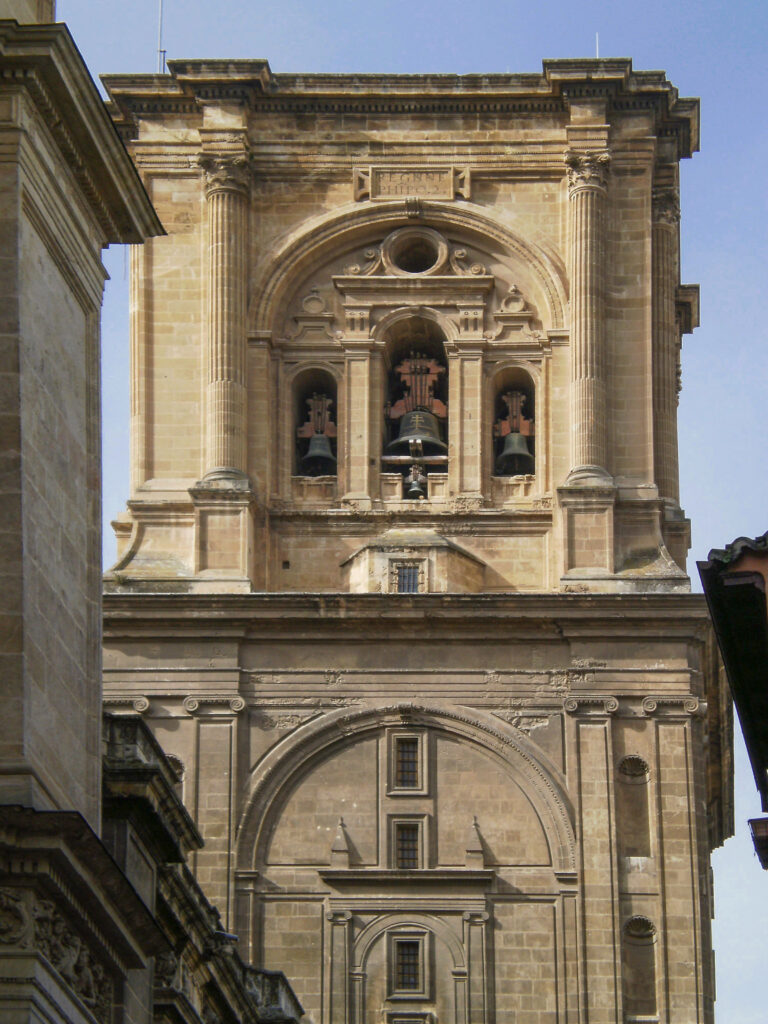
Granada Cathedral & Royal Chapel – monumental Renaissance buildings.
-
Corral del Carbón & Madrasah – medieval structures reflecting Islamic heritage.
-
Monastery of San Jerónimo & Cartuja Monastery – important religious and artistic sites.
These spaces tell the city’s layered story and are regularly visited by locals and residents alike.
Tapas Trails & Local Gastronomy
Granada is famous for its tapas culture — in many bars a drink comes with a small free dish. Exploring backstreet tapas spots is a social activity and a way to discover neighbourhood life.
Outdoor & Active Experiences
Granada’s setting between the mountains and plains creates natural opportunities beyond the city:
-
Hiking & nature trails near Sierra Nevada and river gorges like Los Cahorros.
-
Cycling and guided nature tours at the city’s edges or in surrounding towns.
Baths, Walks & Scenic Routes
The city also offers more relaxed urban experiences that locals enjoy:
-
Arab Baths & Hammam experiences blending wellness and culture.
-
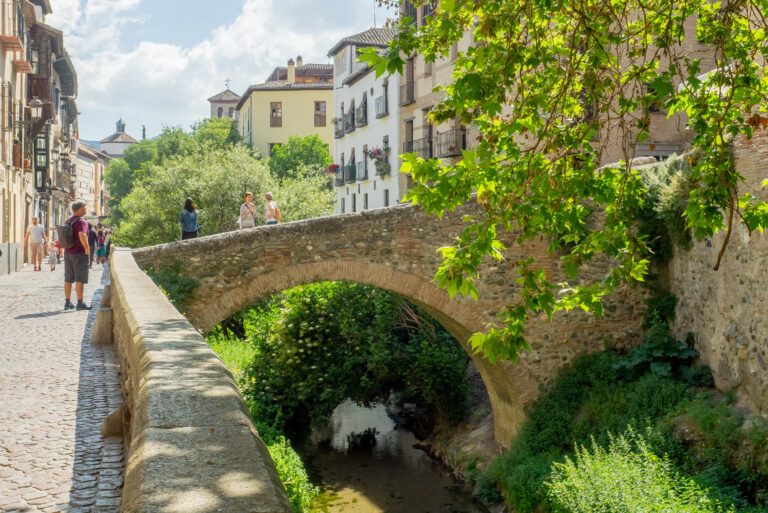
Walking along picturesque streets like Carrera del Darro and the Paseo de los Tristes, with views of the Alhambra and river valley.
Family & Interactive Venues
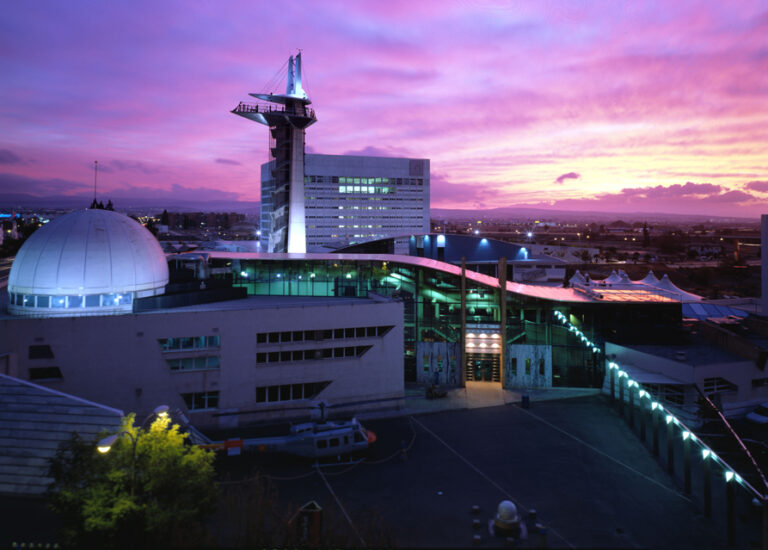
For families or interactive days out, places like the Parque de las Ciencias museum offer hands-on exhibits and educational entertainment.
Festivals & Community Events
Granada’s calendar is rich with local celebrations, music and traditional festivals that knit the community together — from religious processions to cultural showcases throughout the year.
In Summary
Granada is not a city of isolated “top attractions.” Instead, life here is shaped by immersive historical sites, neighbourhood rhythms, outdoor engagement and cultural traditions that blend seamlessly into everyday living. Whether you’re exploring ancient palaces, walking atmospheric streets or sampling tapas with friends, there’s always something to do that feels real, not staged.

Property Styles
Property Styles — Granada
Property in Granada reflects the city’s layered history and varied neighbourhoods. From historic homes in ancient quarters to modern apartments in expanding districts, the housing market offers a wide range of styles suited to different lifestyles and budgets.
Rather than uniform development, Granada presents architectural diversity shaped by time.
Historic Apartments
In the historic centre and districts such as Albaicín, traditional properties are common.
Typical features include:
-
Thick stone walls
-
High ceilings
-
Inner patios or small balconies
-
Traditional Andalusian details
Many of these homes have been renovated, blending character with modern comfort. They appeal strongly to buyers seeking authenticity and atmosphere.
Traditional Houses & Carmen Homes
Unique to Granada are the famous “cármenes” — traditional houses with private gardens, often hidden behind walls in hillside areas.
These properties usually offer:
-
Enclosed gardens or courtyards
-
Views over the city or Alhambra
-
Strong privacy
-
Historic architectural character
They are among the most distinctive and sought-after property types in Granada.
Modern City Apartments
In neighbourhoods such as Centro, Camino de Ronda and Zaidín, modern apartments dominate.
Features often include:
-
Practical layouts
-
Elevator access
-
Underground parking
-
Proximity to shops and services
These properties are popular with professionals, families and long-term residents.
New-Build Developments
Granada has seen controlled expansion in districts like PTS and northern zones, where contemporary residential developments are emerging.
These typically include:
-
Energy-efficient construction
-
Modern interiors
-
Communal areas
-
Garages and storage
New-build supply remains limited compared to larger cities.
Townhouses & Residential Homes
Low-rise homes and townhouses are found in quieter residential neighbourhoods and on the outskirts of the city.
They often provide:
-
More space
-
Family-oriented environments
-
Terraces or patios
These homes suit long-term living.
Investment-Oriented Properties
Due to the strong university presence, Granada offers consistent demand for:
-
Student apartments
-
Shared housing
-
Long-term rental properties
This supports stable rental performance across several districts.
Overall Property Character
Property in Granada can be described as:
-
Architecturally diverse
-
Historically rich
-
Affordable compared to coastal cities
-
Strong in long-term demand
Homes are chosen for atmosphere, practicality and value rather than luxury branding.
In Summary
Granada’s property market offers authenticity and variety.
From historic cármenes to modern urban apartments, the city provides homes with character, history and livability — supported by one of Spain’s strongest cultural environments.
Property Prices
Property Prices — Granada
Granada’s real estate market has been rising steadily, reflecting growing demand for urban living with cultural depth and strong lifestyle appeal. Prices are generally more affordable than coastal Andalusian cities like Málaga and Marbella, while still showing consistent growth.
Average Price Levels (2025–2026)
-
City-wide average: around €2,556 – €2,617 per m² in late 2025 — a new record and significantly above recent historical levels.
-
Central districts (Centro / Albaicín): typically €2,900 – €3,400 /m², with some historic neighbourhoods reaching even higher values.
-
Mid-range and residential zones: many areas sit in the €2,200 – €2,800 /m² band.
-
More affordable neighbourhoods: prices in some outer or less central zones can be notably lower, reflecting location and stock variations.
Typical Price Brackets
As a general guide across the city’s housing stock:
-
Starter apartments: from around €200,000 – €300,000+, depending on location and condition.
-
2–3 bedroom city apartments: commonly €300,000 – €600,000+.
-
Larger or premium homes (historic centre, views): from €600,000+, with values rising in highly coveted areas.
Market Trend
Prices in Granada rose sharply through 2025, with recorded increases of roughly 11–17 % year-on-year, indicating sustained buyer interest and strong demand relative to supply.
Despite these gains, prices in Granada remain below coastal benchmarks like Málaga, where average values recently surpassed €3,000 /m².
What This Means for Buyers
Value compared with larger cities: Granada offers a lower entry point than many Spanish cities, making it attractive for first-time buyers, families and investors seeking long-term demand without coastal premiums.
Diverse price points: central, historic apartments command premium pricing, while newer and residential districts provide more affordable options for everyday living.
Steady growth environment: the consistent rise in prices suggests long-term stability rather than short-term volatility.
Summary Table
| Property Type / Area | Typical Price Range (€/m²) |
|---|---|
| Historic centre — Albaicín / Centro | ~€2,900 – €3,400+ |
| Average residential citywide | ~€2,500 – €2,700 |
| More affordable zones | ~€2,200 – €2,300 |
Bottom line: Granada’s property market blends long-term growth, cultural appeal and relatively accessible pricing compared with larger coastal cities. It offers buyers a diverse range of options, from historic apartments with character to more affordable modern homes — all within a dynamic urban environment.
Distances
Distances & Connectivity — Granada
Granada enjoys a strategic inland location in eastern Andalusia, offering strong regional connections while maintaining its distinct identity. Although not coastal, the city is exceptionally well positioned between mountains, countryside and the Mediterranean.
Key Distances
-
Sierra Nevada ski resort – approx. 30–40 minutes
-
Granada Coast (Costa Tropical) – approx. 50–60 minutes
-
Málaga city – approx. 1 hour 30 minutes
-
Seville – approx. 2 hours 30 minutes
-
Córdoba – approx. 2 hours
-
Madrid – approx. 4–4.5 hours by car
Airport Access
Federico García Lorca Granada–Jaén Airport (GRX) is located approximately 20 minutes from the city centre.
The airport offers:
-
Domestic connections to major Spanish cities
-
Selected European routes
-
Convenient access for regional travel
For wider international travel, Málaga International Airport is commonly used.
High-Speed Rail (AVE)
Granada is connected to Spain’s high-speed rail network.
-
Granada → Madrid – approx. 3.5 hours
-
Direct AVE connections available
-
Comfortable and efficient travel option
This connection has significantly improved accessibility to and from the capital.
Road Infrastructure
Granada benefits from modern motorway access:
-
A-44 connecting to Jaén and Madrid
-
A-92 linking to Málaga, Seville and eastern Andalusia
-
Efficient routes toward the coast and inland regions
Driving is straightforward and well-supported.
Public Transport Within the City
Granada offers:
-
Light rail system connecting key districts
-
Extensive city bus network
-
Walkable historic centre
Most daily movement can be done without a car.
Why Connectivity Matters
Granada’s accessibility allows residents to enjoy:
-
Mountain skiing and nature within minutes
-
Coastal lifestyle within an hour
-
Efficient national connections
-
Urban living without isolation
This geographic versatility is one of the city’s strongest assets.
In Summary
-
Ski resort half an hour away
-
Coast under one hour
-
Airport close to city
-
High-speed rail to Madrid
Granada offers exceptional geographic diversity within short travel times — a rare advantage in southern Europe.
Education
Education — Granada
Granada is one of Spain’s most important education cities. With a strong academic tradition, respected public institutions and an international student presence, education plays a central role in the city’s identity and daily life.
It is particularly attractive for families, students and long-term residents seeking quality education at accessible cost.
Public Education
Granada offers a wide network of public schools covering early years, primary and secondary education.
Public schools are:
-
Well distributed across neighbourhoods
-
Integrated into local communities
-
Free or low-cost for residents
-
Focused on the Spanish national curriculum
Many families choose public education for long-term integration and strong academic foundations.
Private & Semi-Private Schools
The city also offers a selection of private and semi-private (concertado) schools.
These often provide:
-
Smaller class sizes
-
Bilingual programmes
-
Structured academic environments
-
Strong continuity from primary to secondary
They are popular among families seeking additional language support or educational structure.
International Education
While Granada has fewer international schools than large coastal cities, several bilingual and international-oriented institutions operate within the city or nearby.
These typically offer:
-
Enhanced English instruction
-
International academic pathways
-
Preparation for studies abroad
For full British or international curricula, families often combine Granada living with schools located in surrounding provinces.
University of Granada (UGR)
The University of Granada is one of the most prestigious and historic universities in Spain.
It attracts tens of thousands of students from across Europe and beyond and is particularly respected for:
-
Humanities and social sciences
-
Medicine and health sciences
-
Engineering and technology
-
International exchange programmes
The university gives Granada its youthful energy and academic atmosphere.
International Student Community
Granada is one of Europe’s most popular Erasmus destinations.
This international presence contributes to:
-
Multilingual environments
-
Cultural exchange
-
Affordable student services
-
Vibrant neighbourhood life
Education here is deeply connected to everyday city culture.
Language Schools & Adult Education
Granada offers numerous language academies and Spanish schools catering to:
-
International residents
-
University students
-
Professionals and remote workers
Learning Spanish is accessible and affordable, supporting smooth integration.
Education & Lifestyle Balance
Students benefit from:
-
Walkable neighbourhoods
-
Affordable living costs
-
Rich cultural life
-
Easy access to nature and sports
Education in Granada goes beyond classrooms — it is part of the city’s rhythm.
Who Granada Suits
Granada is ideal for:
-
University students
-
Academic professionals
-
Families valuing cultural education
-
Residents seeking quality at reasonable cost
In Summary
Granada offers one of Spain’s strongest academic environments outside the major capitals.
With respected public education, a world-class university and a vibrant international student scene, the city combines learning, culture and lifestyle in a way few places can match.
Nearby Restaurants
Nearby Restaurants — Granada
Granada is one of Spain’s most rewarding cities for dining. Its food culture is social, affordable and deeply rooted in tradition, while also offering creative and modern cuisine. Eating out is part of everyday life — not an occasion.
Traditional Tapas & Local Favourites
Bodegas Castañeda
A classic Granada institution known for traditional tapas, cured meats and local wines. Lively, authentic and always busy.
Los Diamantes
Famous for seafood tapas served with drinks — one of the most iconic experiences in the city.
La Tana
Small, atmospheric wine bar offering excellent local wines and quality tapas, popular with residents.
Bar Casa Julio
Known for its crispy fried fish and traditional recipes, located near the city centre.
Contemporary & Modern Andalusian Cuisine
Damasqueros
One of Granada’s most respected fine-dining restaurants, offering modern interpretations of Andalusian cuisine.
El Huerto de Juan Ranas
Combines refined dining with one of the best Alhambra views in the city — ideal for special evenings.
Cunini
Elegant restaurant serving Mediterranean and Andalusian classics with consistent quality.
International & Creative Dining
Paprika Gourmet
Creative cuisine blending local products with international techniques in a relaxed setting.
Atelier Casa de Comidas
Modern seasonal menu with strong focus on local ingredients and presentation.
Wild Food Granada
Contemporary European cuisine with vegetarian and creative options.
Casual Dining & Everyday Spots
La Sitarilla
Popular neighbourhood restaurant with Andalusian comfort food at fair prices.
La Botillería
Reliable option for traditional dishes and relaxed meals.
Café Fútbol
Local landmark known for desserts and coffee — a meeting point for generations.
Dining Culture in Granada
Granada’s dining scene stands out because:
-
Many bars still serve free tapas with drinks
-
Prices remain accessible
-
Social dining is central to daily life
-
Quality is high even in simple establishments
Eating out is spontaneous, informal and community-driven.
What to Expect Overall
Granada offers:
-
Authentic Andalusian cuisine
-
Strong wine culture
-
Excellent value compared to major cities
-
A vibrant tapas tradition
From historic taverns to modern kitchens, the city’s food scene reflects its soul — honest, social and full of character.