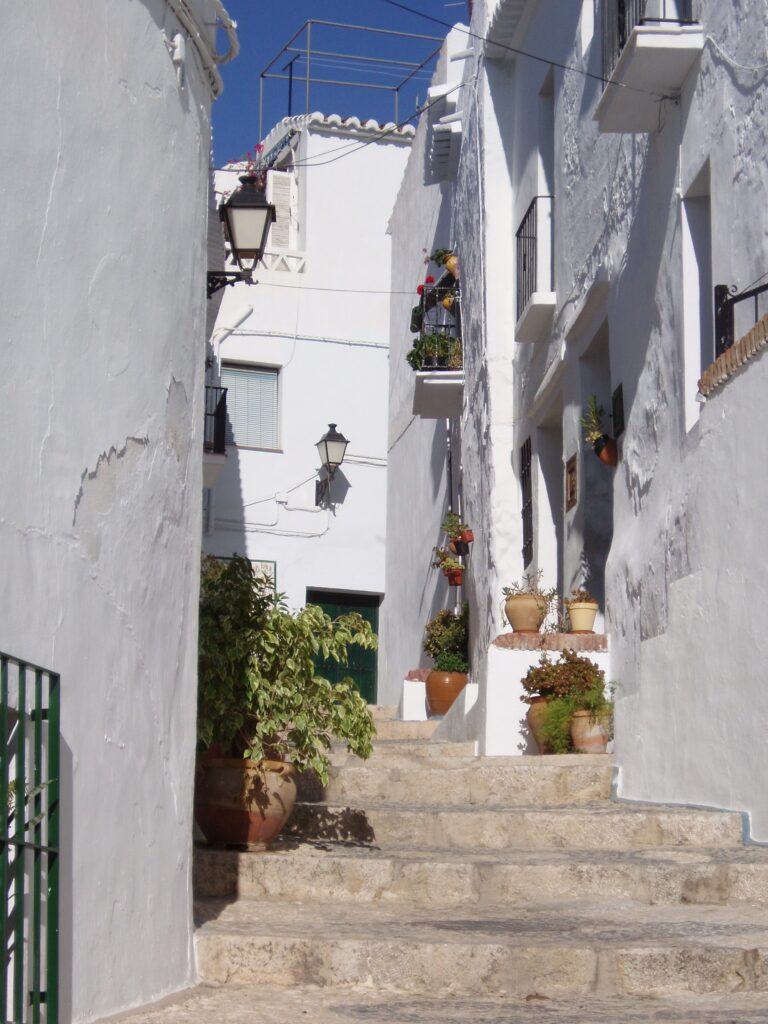

Axarquía
General overview
General Overview — Axarquía
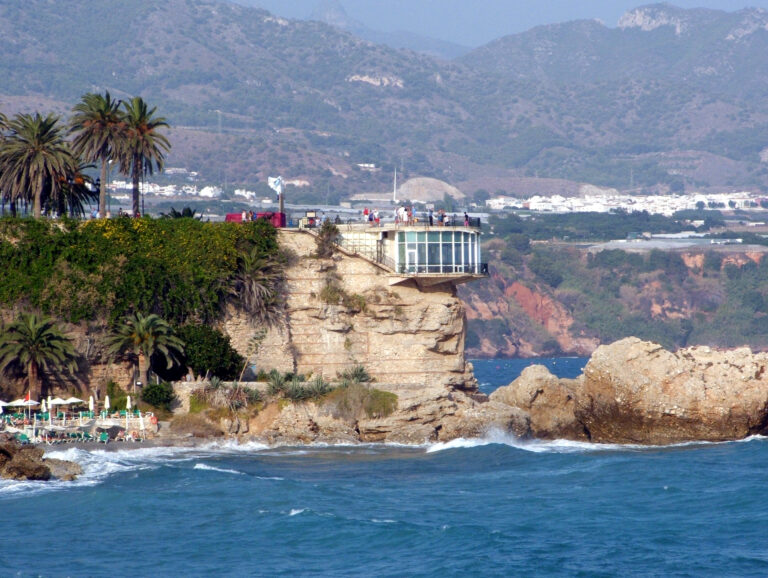
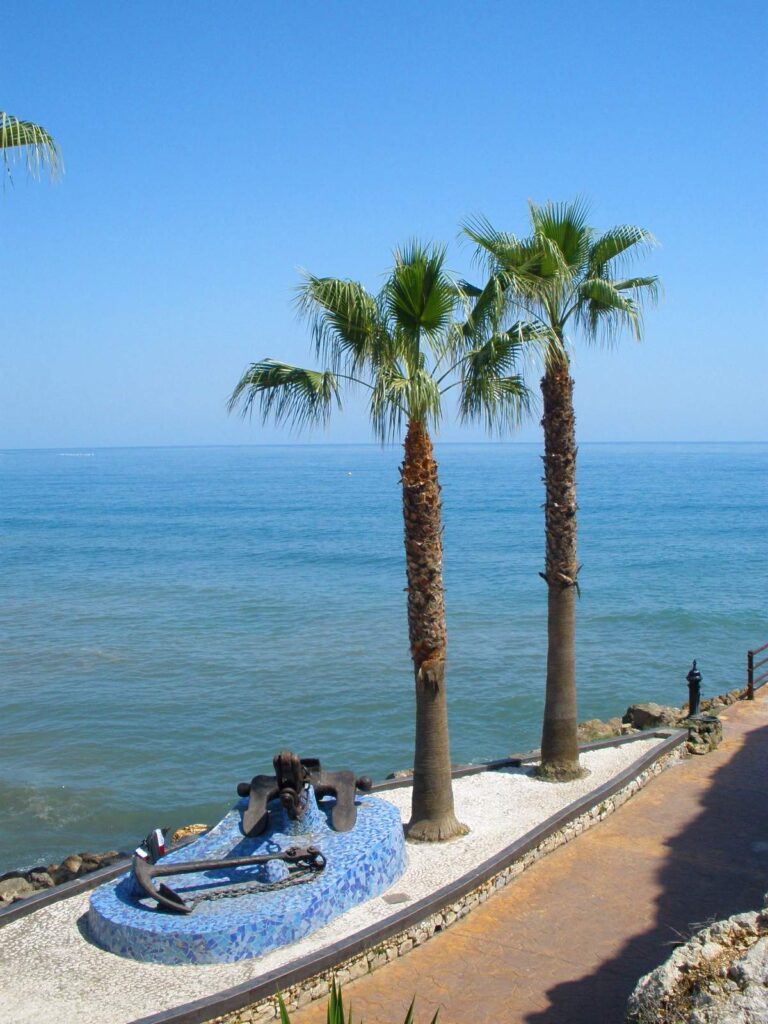
The Axarquía is one of the most characterful regions of southern Spain. Located to the east of Málaga city, this area stretches from the Mediterranean coastline inland toward rolling hills and white villages — offering a rare blend of sea views, rural authenticity and Andalusian tradition.
It is a region defined by contrast: coastal life near Torre del Mar and Nerja, and peaceful inland living in villages such as Frigiliana, Cómpeta, Sayalonga and Arenas — all within short driving distance of each other.
Unlike highly developed coastal strips, the Axarquía has retained a strong rural identity. Agriculture, community life and local traditions continue to shape daily rhythms, even as international interest has grown steadily.
A Landscape with Depth
The Axarquía is known for its dramatic scenery. Mountains rise quickly from the coast, creating elevated villages with panoramic views over the Mediterranean.
Olive groves, vineyards, avocado farms and almond trees dominate the landscape, giving the region its green and textured appearance — especially compared to flatter coastal zones.
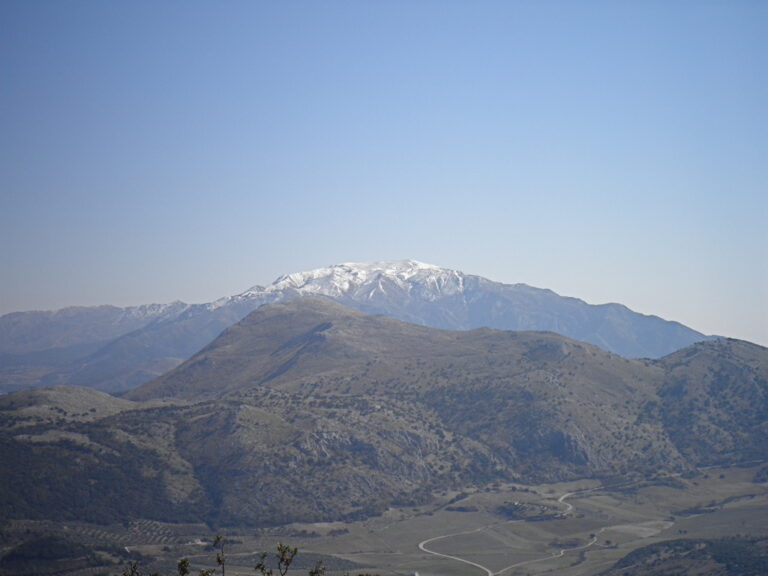
The backdrop of the Sierras of Tejeda, Almijara and Alhama Natural Park adds a sense of scale and protection to the entire area.
Coastal and Inland Balance
What makes the Axarquía particularly attractive is flexibility. Residents can enjoy:
-
Beach life in towns like Torre del Mar, Algarrobo Costa and Nerja
-
Quiet village living just 15–30 minutes inland
-
Strong infrastructure and services along the coast
-
Authentic Andalusian life away from mass tourism
This balance allows buyers to choose how connected — or how secluded — they want to live.
A Region That Evolved Naturally
Development in the Axarquía has been gradual. There are no large resort zones dominating the coastline, and inland villages have largely preserved their historic structure.
This organic growth has allowed the region to modernise without losing its identity.
Many international residents who live here arrived decades ago — not for trends, but for lifestyle.
Increasing Appeal Without Losing Soul
Over recent years, the Axarquía has attracted growing attention from buyers seeking:
-
More space
-
Sea views at realistic prices
-
Authentic village life
-
Proximity to Málaga city and airport
Despite this, the region remains grounded. Tourism exists — particularly around Nerja — but daily life is still driven by residents, not visitors.
Why Buyers Choose the Axarquía
The Axarquía appeals to people who want more than a coastal address:
-
Nature and scenery
-
Characterful villages
-
Strong sense of place
-
Mild climate year-round
-
Lifestyle without pressure
It’s especially popular with long-term residents, creatives, remote workers and those transitioning toward permanent life in Spain.
The Bigger Picture
The Axarquía is not a single town — it’s a living region. One where coast and countryside coexist naturally, where tradition and modern living intersect, and where lifestyle feels genuine rather than curated.
For buyers looking for Andalusia with depth, variety and long-term appeal, the Axarquía stands as one of the most compelling regions in southern Spain.
Population & Lifestyle
Population & Lifestyle — Axarquía
The Axarquía is home to a diverse and well-balanced population spread across coastal towns and inland white villages. Rather than one urban centre, the region functions as a network of communities — each with its own rhythm, identity and lifestyle.
Population density remains relatively low, especially inland, which contributes strongly to the area’s sense of space and calm.
A Mixed and Established Community
The population is made up of:
-
Local Andalusian families with deep regional roots
-
Spanish residents from other parts of the country
-
A long-established international community
Unlike newer expat hotspots, the Axarquía’s international population developed gradually over decades. Many residents have lived here for 20–30 years, creating stability rather than turnover.
This results in integration rather than separation.
Coastal Life vs Inland Living
Lifestyle varies noticeably depending on location.
Along the coast — in places like Torre del Mar, Algarrobo Costa and Nerja — life is more active, with beaches, promenades, restaurants and services close at hand.
Inland villages such as Cómpeta, Frigiliana, Sayalonga and Arenas offer a quieter rhythm, focused on village life, nature and panoramic views.
Many residents choose to live inland while enjoying the coast within 20–30 minutes.
A Lifestyle Shaped by Environment
Life in the Axarquía is closely connected to its surroundings.
Typical daily routines include:
-
Outdoor living year-round
-
Walking, hiking and countryside life
-
Social gatherings in village plazas
-
Regular coastal visits for shopping and dining
The mild climate supports an active, healthy lifestyle without extremes.
Strong Community Feeling
Community life remains one of the region’s defining qualities. Local festivals, village events and shared traditions still play a major role — and newcomers are generally welcomed when they participate rather than isolate.
Small villages offer a level of connection rarely found in urban settings.
Who Chooses the Axarquía
The region attracts people seeking:
-
Space and tranquillity
-
Authentic Andalusian life
-
Sea views without coastal congestion
-
Long-term living rather than short stays
It is especially popular with retirees, remote workers, creatives and families looking for balance.
Daily Life in Practice
Life here is less hurried. People plan around seasons rather than schedules. Social life revolves around food, conversation and shared space — not nightlife or prestige.
It’s a lifestyle based on rhythm, not rush.
The Overall Lifestyle
The Axarquía offers a way of living that is increasingly rare: calm but connected, rural but accessible, traditional yet open.
It’s not a region built for trends — it’s built for people who value quality of life over speed of life.
History & Character
History & Character — Axarquía
The Axarquía is one of the most historically rich regions of Andalusia. Its identity has been shaped by centuries of cultural layers, mountain geography and resilience — resulting in a character that feels deeply rooted and unmistakably authentic.
The very name Axarquía comes from the Arabic word Ash-Sharqiyya, meaning “the eastern land,” referring to its position east of Málaga during the Moorish period.
Ancient Origins
Long before modern settlements, the region was inhabited by Phoenicians and Romans, who used the coastline for trade and fishing. Roman remains can still be found around Nerja and Vélez-Málaga, including roads, baths and agricultural structures.
These early civilisations recognised the value of the fertile valleys and strategic coastal access.
The Moorish Legacy
The most defining influence came during the Moorish era, when the Axarquía became part of Al-Andalus for nearly 800 years.
During this time:
-
Advanced irrigation systems were introduced
-
Terraced farming shaped the mountainsides
-
White villages were built high for protection
-
Narrow streets were designed for climate control
Many of today’s villages — such as Cómpeta, Frigiliana and Sayalonga — still follow their original Moorish layout.
This heritage remains visible in architecture, agriculture and village structure.
A Region of Resistance
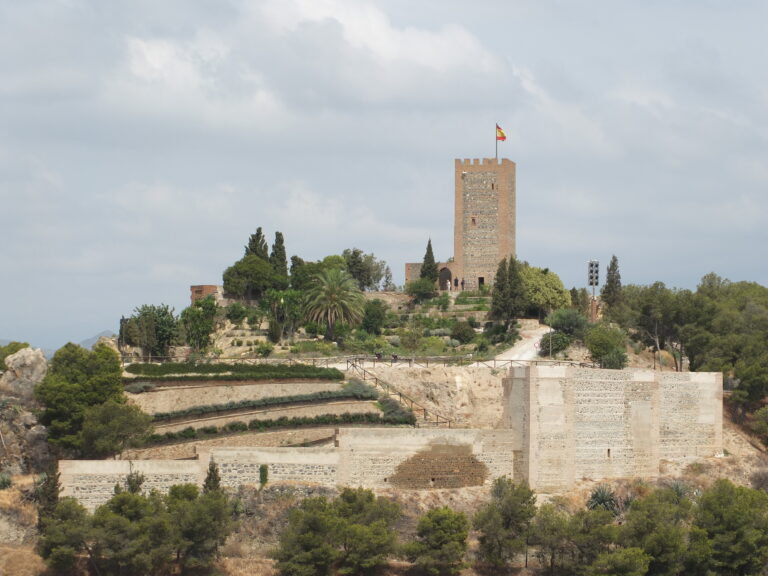
When the Catholic Monarchs reconquered the area in the late 15th century, the Axarquía became one of the last strongholds of Moorish resistance.
The region’s rugged terrain made it difficult to control — and that spirit of independence never fully disappeared.
Even today, the Axarquía carries a reputation for self-reliance and strong local identity.
Agriculture as Identity
For centuries, life here revolved around farming. Olives, almonds, grapes and later avocados shaped not only the economy, but daily routines and social life.
Wine production in villages like Cómpeta remains a cultural tradition, celebrated through annual festivals and local customs.
The land was not scenery — it was survival.
Limited Development, Preserved Character
Unlike flatter coastal regions, the Axarquía’s mountainous geography prevented large-scale development.
As a result:
-
Villages remained compact
-
Urban sprawl was limited
-
Architecture stayed human in scale
This natural limitation protected the region’s authenticity long before preservation became fashionable.
Character Today
The Axarquía today is defined by:
-
Strong village identity
-
Deep connection to land and tradition
-
Slower pace of life
-
Pride in local culture
It is not polished — and that is its strength.
Life feels genuine rather than curated. Traditions are lived, not performed.
A Region with Soul
The Axarquía does not try to reinvent itself. It evolves carefully, respecting its past while adapting to modern needs.
For buyers, this translates into something rare: a region with soul, continuity and depth.
It’s not a destination designed to impress — it’s one designed to belong.
Things to do
Things to Do — Axarquía
The Axarquía offers a lifestyle shaped by nature, tradition and variety. With coastline, mountains and white villages all within short driving distance, activities here feel diverse yet unforced.
Life is not organised around attractions — it’s built around environment.
Beach Life & Coastal Activities
Along the coast, towns such as Torre del Mar, Algarrobo Costa, Torrox Costa and Nerja provide long beaches, promenades and relaxed seaside living.
Popular coastal activities include:
-
Swimming and sunbathing
-
Walking and cycling along the paseo marítimo
-
Paddleboarding and kayaking
-
Casual beachfront dining
The atmosphere is local and family-friendly rather than resort-driven.
Hiking & Nature Exploration
One of the Axarquía’s strongest assets is immediate access to nature.
The nearby Sierras of Tejeda, Almijara and Alhama Natural Park offer:
-
Scenic hiking routes
-
Mountain viewpoints with sea panoramas
-
Forest walks and natural trails
-
Cycling and trail-running routes
This makes the region especially attractive for outdoor enthusiasts.
White Villages & Cultural Discovery
Exploring the inland villages is part of daily life here.
Visitors and residents alike enjoy:
-
Walking through historic village streets
-
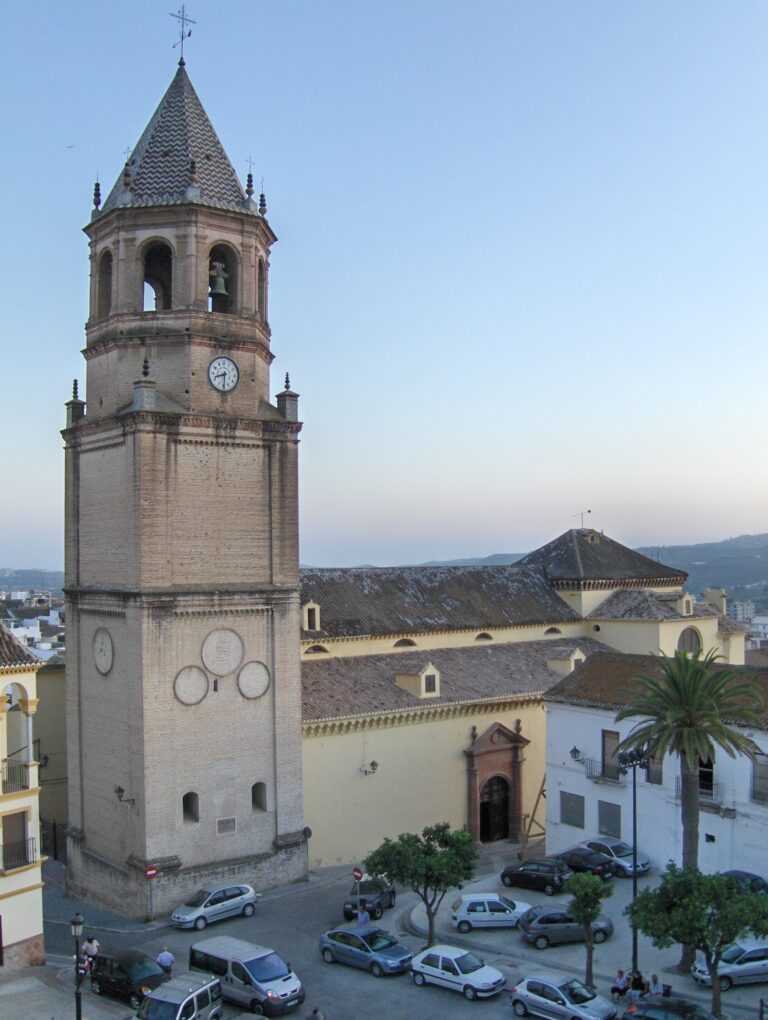
Visiting local churches and plazas
-
Attending seasonal festivals
-
Enjoying village gastronomy
Each village has its own personality, traditions and annual celebrations.
Food, Markets & Local Life
Weekly markets across the region are important social moments — offering fresh produce, local honey, cheeses, olives and handmade goods.
Food-related activities often include:
-
Market mornings
-
Long village lunches
-
Wine and tapas festivals
-
Seasonal harvest events
Gastronomy here is local, seasonal and community-based.
Sports & Active Living
The Axarquía supports an active lifestyle year-round, including:
-
Cycling on mountain and coastal routes
-
Tennis and paddle clubs
-
Fitness and outdoor training
-
Water sports along the coast
The climate encourages movement without extremes.
Cultural Events & Traditions
Local fiestas remain central to life in the Axarquía. From village ferias to religious processions and wine festivals, these events bring communities together.
They are not staged for tourism — they are lived by residents.
Simple Daily Pleasures
Many of the most valued activities are simple:
-
Morning coffee in a plaza
-
Sunset views from hillside terraces
-
Coastal walks in the evening
-
Social gatherings with neighbours
Life here revolves around moments rather than schedules.
The Experience in Summary
The Axarquía does not offer spectacle — it offers substance.
It’s a region where nature, culture and community create everyday experiences that feel meaningful rather than rushed.
For those who enjoy variety without pressure, the Axarquía delivers a lifestyle rich in balance and authenticity.

Property Styles
Property Styles — Axarquía
Property styles in the Axarquía reflect the region’s rural heritage, mountainous landscape and slow, organic development. Unlike coastal zones dominated by apartment blocks and resorts, homes here are individual, character-driven and closely connected to their surroundings.
The variety is wide — but always human in scale.
Traditional Village Houses
Many properties are located within historic white villages such as Cómpeta, Frigiliana, Sayalonga and Arenas.
Typical features include:
-
Whitewashed façades
-
Thick stone walls
-
Wooden beams
-
Roof terraces with panoramic views
-
Narrow village streets
These homes often combine centuries-old structure with modern renovations. They appeal strongly to buyers seeking authenticity and architectural character.
Townhouses & Residential Homes
In larger villages and town outskirts, townhouses offer practical layouts designed for permanent living.
Common characteristics:
-
Multi-level homes
-
Generous terraces or balconies
-
Village-edge locations
-
Strong community setting
These properties often provide excellent value and are popular with full-time residents.
Country Homes & Fincas
One of the Axarquía’s defining property types is the finca.
Located among olive groves, vineyards and avocado farms, these homes typically offer:
-
Large plots of land
-
High privacy
-
Panoramic sea and mountain views
-
Outdoor terraces and pools
Many fincas benefit from legal water rights and established agricultural land — an important factor in this region.
Detached Villas
Modern or semi-traditional villas are common on hillsides and rural plots.
These properties often feature:
-
Private swimming pools
-
Large terraces
-
South-facing orientation
-
Open views toward the Mediterranean
Compared to coastal areas, villas here usually provide significantly more land and privacy.
New-Build & Contemporary Homes
New construction exists but remains limited and controlled.
Modern homes typically focus on:
-
Energy efficiency
-
Clean architectural lines
-
Indoor–outdoor living
-
Respect for landscape and building limits
Large-scale developments are rare, helping preserve the region’s open feel.
Overall Property Character
Property styles in the Axarquía can be summarised as:
-
Individual rather than uniform
-
Strong in character and views
-
Spacious and low-density
-
Closely connected to nature
This is a market where no two properties are truly the same.
What Buyers Should Know
Homes in the Axarquía are not designed for short-term tourism — they are designed for living.
Buyers are drawn by:
-
Authentic architecture
-
Privacy and space
-
Panoramic scenery
-
Long-term lifestyle value
It’s not about luxury branding — it’s about quality of life.
In Summary
Property in the Axarquía offers something increasingly rare: identity.
Whether it’s a village townhouse, a hillside villa or a rural finca, homes here reflect the land they stand on — grounded, honest and full of character.
Property Prices
Property Prices — Axarquía
The Axarquía remains one of the more affordable coastal markets in the province of Málaga, combining coastal charm with countryside value. Prices here are generally lower than in the central Costa del Sol, but higher than very rural inland zones — reflecting the region’s mix of coast, villages and accessibility.
Average Price Levels
According to active listings and market data:
-
Average price per m² (region-wide): approx. €2,800–€3,000/m² for many coastal and accessible locations.
-
Vélez-Málaga (capital of the Axarquía): around €1,650/m², making it one of the more affordable hubs with full services and urban living.
-
Entry-level properties: you can find apartments and houses starting from €15,000–€60,000+ in rural or restoration-needed categories.
-
Coastal apartments (e.g., Torre del Mar, Torrox, Nerja): many listings sit in the €2,500 – €3,500/m² range for standard apartments with sea access.
-
Larger or premium homes (sea-view or village homes): prices vary widely — well-located villas or restored village properties can range into the €400,000+ zone, and premium listings (e.g., large sea-view homes in Nerja/Frigiliana) extend into high-end brackets.
Market Trends
Prices in the Axarquía have been climbing in recent years, with house prices increasing more than 10 % annually in some sub-markets.
The region’s slower development pace compared to the western Costa del Sol helps keep price growth steady rather than volatile — attractive for lifestyle buyers focused on long-term value.
What Buyers Receive for Their Budget
Compared to Malaga city or regions like Marbella:
-
More space for your money: larger terraces, bigger homes and more outdoor land are typical.
-
Lower average m² costs: significantly below capital and western Costa del Sol coastal averages.
-
Varied stock: from affordable village homes to sea-view apartments — offering broad entry points.
Price Context Within the Province
Within Málaga province, coastal towns generally command higher prices than inland areas, but the Axarquía still sits below prices in the immediate Costa del Sol (e.g., Marbella/Puerto Banús) — making it a value-oriented coastal option.
In short: property in the Axarquía delivers value, variety and views. You can find solid apartments near the coast, characterful village homes inland, and private villas with sea panoramas — all with realistic pricing compared to Spain’s more expensive Mediterranean markets.
Distances
Distances — Axarquía
The Axarquía is ideally positioned to offer rural tranquillity with strong connectivity. Located directly east of Málaga city, the region benefits from modern infrastructure while maintaining its countryside character.
Distances vary depending on whether you live on the coast or inland, but access remains straightforward throughout the area.
Key Regional Distances
-
Málaga city centre – approx. 30–45 minutes
-
Málaga International Airport (AGP) – approx. 40–55 minutes
-
Nerja – approx. 45–55 minutes from Málaga
-
Torre del Mar – approx. 30–35 minutes from Málaga
Coastal Access
-
Mediterranean beaches – typically 5–15 minutes from coastal towns
-
Inland villages – usually 20–35 minutes to the coast depending on elevation
This makes daily coastal access easy even for inland residents.
Main Inland Villages (Approximate Driving Times)
-
Cómpeta → Torre del Mar – approx. 30 minutes
-
Frigiliana → Nerja – approx. 10–15 minutes
-
Sayalonga → Algarrobo Costa – approx. 20–25 minutes
-
Arenas → Vélez-Málaga – approx. 20 minutes
Distances remain short, but driving is scenic and mountainous in places.
Road Infrastructure
-
Direct access via the A-7 coastal motorway
-
Inland connections via well-maintained mountain roads
-
Improved access routes linking villages to coastal service centres
While inland routes are winding, they are part of the lifestyle rather than a limitation.
Daily Services & Facilities
-
Major supermarkets, hospitals and shopping centres are concentrated in Vélez-Málaga and Torre del Mar
-
Most inland villages are within 20–30 minutes of full services
-
Public transport connects key towns, though private transport remains recommended
Why These Distances Matter
The Axarquía offers something increasingly difficult to find: space without isolation.
You can live among olive groves or with panoramic sea views — yet still reach Málaga city or the airport in under an hour.
This balance makes the region ideal for permanent living, remote working and long-term ownership.
In short: countryside calm with coastal convenience.
Education
Education — Axarquía
Education in the Axarquía is primarily centred around the Spanish public education system, supported by private, bilingual and international options within reasonable travelling distance. The setup reflects the region’s character: community-based, practical and focused on long-term living.
Public Education
Public schools form the backbone of education throughout the Axarquía.
Primary and secondary schools are available in all main towns and villages, including Vélez-Málaga, Torre del Mar, Torrox, Nerja and Algarrobo.
Public schools offer:
-
Spanish national curriculum
-
Free or very low-cost education
-
Strong integration into local life
-
Smaller school environments inland
For families planning permanent residence, this system works well and encourages natural language immersion from an early age.
Secondary Education & Colleges
Larger towns — particularly Vélez-Málaga — function as educational hubs, offering:
-
Secondary institutes (IES)
-
Vocational and technical training
-
Specialised study programmes
These centres serve students from across the region.
Private & Bilingual Schools
Several private and bilingual schools are available in and around the Axarquía and nearby eastern Málaga.
These schools typically combine:
-
Spanish curriculum
-
Enhanced English education
-
Smaller class sizes
They are popular with families who want international exposure while maintaining local integration.
International Education Options
While the Axarquía itself has limited full international schools, families have access to strong alternatives within driving distance:
-
Málaga city and surrounding areas (approx. 40–60 minutes) offer British and international schools
-
Nerja and Torrox areas provide bilingual education and private academies
Some families choose daily commuting, while others combine local schooling with language support.
Language Academies
Language education plays an important role in the region.
English academies and Spanish language schools are widely available, offering:
-
After-school support
-
Adult language courses
-
Integration assistance for newcomers
These centres help families transition smoothly into life in Andalusia.
Universities & Higher Education
The University of Málaga is accessible within approximately 45–60 minutes, offering a full range of academic programmes.
This proximity adds long-term value for families with older children.
Education & Lifestyle Perspective
Education in the Axarquía is not built around elite international campuses, but around balance, integration and environment.
Children grow up close to nature, within smaller communities and with strong social interaction — often gaining independence and cultural awareness early on.
What Families Should Know
The Axarquía suits families who:
-
Value community and integration
-
Are open to Spanish-language education
-
Prefer smaller school environments
-
Prioritise lifestyle over prestige
For those seeking international-school convenience on the doorstep, other areas may suit better. For families seeking grounded, healthy living — the Axarquía works exceptionally well.
In Summary
Education in the Axarquía supports a stable, family-oriented lifestyle. While international options are fewer locally, access to Málaga ensures flexibility — all while allowing children to grow up in a safe, natural and culturally rich environment.
Nearby Restaurants
Nearby Restaurants — Axarquía
Dining in the Axarquía reflects the region itself: authentic, relaxed and rooted in local tradition. From beachfront chiringuitos to village restaurants with panoramic views, food here is part of daily life — not an event reserved for special occasions.
Coastal Restaurants & Chiringuitos
Berebere Oasis del Mar (Torre del Mar)
One of the most popular beachfront restaurants in the area, known for Mediterranean cuisine, relaxed atmosphere and sunset views.
El Horno Beach Club (Torre del Mar)
Modern beach club offering seafood, rice dishes and cocktails directly on the promenade.
La Maroma Beach (Torre del Mar)
Casual dining with fresh fish, espetos and family-friendly seaside atmosphere.
Restaurante Katastrofa (Nerja)
Highly regarded for seafood and Mediterranean dishes, with a strong local following.
Ayo Restaurant (Nerja)
A classic institution famous for traditional paella cooked outdoors — informal, local and always lively.
Town & Village Favourites
El Figón (Vélez-Málaga)
Traditional Andalusian restaurant serving local specialities in a historic setting.
Restaurante El Convento (Vélez-Málaga)
Well-known for regional cuisine and a refined yet authentic atmosphere.
La Tapería Orgánica Astrid (Cómpeta)
Popular village restaurant combining Mediterranean and international flavours with panoramic views.
El Acebuchal (Cómpeta area)
A long-standing countryside restaurant specialising in traditional meat dishes and local recipes.
Mesón La Plaza (Frigiliana)
Classic village dining overlooking the plaza, offering Andalusian dishes in a traditional setting.
Restaurante El Adarve (Frigiliana)
Known for regional cuisine and beautiful terrace views across the valley.
International & Contemporary Options
Paparazzi 19 (Torrox Costa)
Italian-Mediterranean restaurant popular with both locals and international residents.
El Albero (Torrox)
Traditional Spanish cuisine with a relaxed, family-run atmosphere.
The English Tea Room (Nerja)
Popular daytime spot for breakfasts, light lunches and social gatherings.
Dining Style in the Axarquía
Food culture here is informal and social. Long lunches, shared dishes and spontaneous dinners are common — especially in village plazas and along the coast.
Menus focus on:
-
Fresh fish and seafood
-
Local vegetables and olive oil
-
Grilled meats
-
Traditional stews and rice dishes
Luxury dining exists, but simplicity defines the region.
What to Expect
-
Local, family-run restaurants
-
Honest Mediterranean cooking
-
Good value for money
-
Scenic terraces and sea views
Dining in the Axarquía is about atmosphere, connection and flavour — not formality.